Choosing the right workwear for your job involves more than just picking out something that looks good. It's about ensuring safety, comfort, and functionality. Whether you're working on a construction site, in a healthcare setting, or in an office, selecting appropriate workwear is critical to managing job risks and hazards effectively.
Understanding Job Risks and Hazards
Find PPE suppliers by location
Browse by city
·
Browse all states
Every profession comes with its unique set of risks and hazards. Understanding them is the first step in choosing the right workwear. For instance, construction workers face risks from heavy machinery, falling debris, and harsh weather conditions. On the other hand, healthcare professionals need protection from biohazards and chemical spills.
Start with PPE suppliers and Hi-Vis workwear if you want faster directory pages tied to this topic. You can also compare suppliers in Tampa and Los Angeles. For deeper pages, review listings like 5 Points Men's Clothing and Acm & Sons Corp. Or use the cities index and states directory.
It's essential to analyze and identify these risks before investing in workwear. By doing so, you're not only safeguarding yourself but also ensuring you comply with safety regulations mandated by industry standards.
Types of Risks
To choose the appropriate workwear, you must first categorize the risks you encounter. Some common types include:
- Physical Risks: Involves exposure to heavy equipment, sharp objects, or hazardous environmental conditions.
- Chemical Risks: Arise from handling harmful substances that can cause burns or respiratory distress.
- Biological Risks: Relevant for those in healthcare settings, involving exposure to viruses or bacteria.
- Ergonomic Risks: Include the potential for musculoskeletal injuries due to repetitive motion or poor posture.
Selecting Workwear Materials
Useful supplier pages to compare next
Open searches such as PPE suppliers and Hi-Vis workwear to get straight into local pages. Compare suppliers in Riverside and El Paso if you want more local options. You can also jump into listings such as 5 Points Men's Clothing and Acm & Sons Corp. For wider navigation, use the city index or the state directory.
The material of your workwear significantly impacts its effectiveness. Understanding the types of materials and their suitability for specific job roles can ensure you are adequately protected.
Common Materials and Their Benefits
When choosing workwear, consider the following materials:
- Cotton: Breathable and comfortable, ideal for indoor work environments.
- Polyester: Durable and resistant to wrinkles and shrinking, suitable for outdoor and active jobs.
- Denim: Rugged and offers protection from abrasions, perfect for construction or manual labor roles.
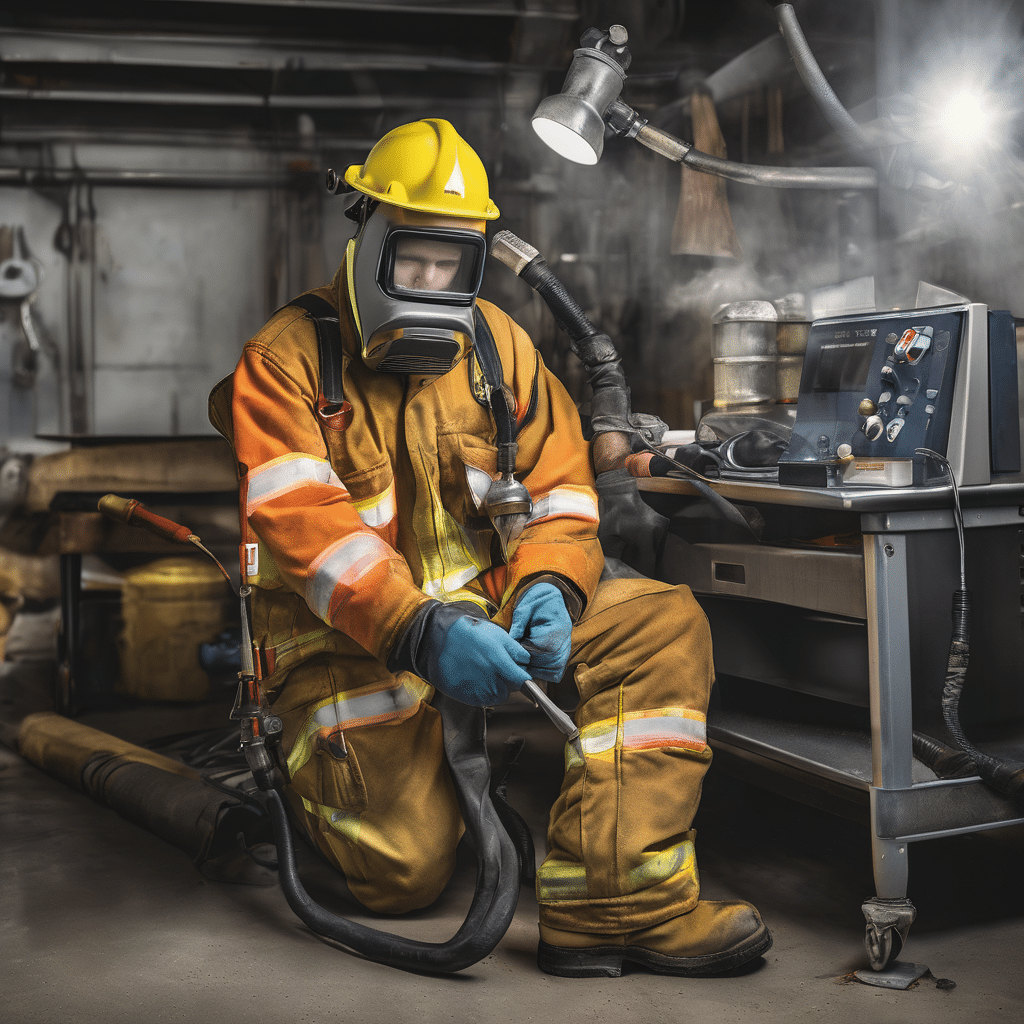
- Nomex: Flame-resistant, crucial for firefighters or jobs requiring heat exposure.
Compliance with Safety Standards
Ensuring that your workwear complies with industry safety standards is vital. Not only does this protect you from potential injuries, but it also ensures you adhere to legal requirements. Agencies such as the Occupational Safety and Health Administration (OSHA) provide guidelines on what constitutes safe workwear across various industries.
Personal Protective Equipment (PPE)
PPE is a category of workwear designed to provide maximum protection against specific risks. Essential PPE components include gloves, helmets, goggles, and specialized footwear. It's crucial to match your PPE with the identified risks, ensuring comprehensive protection.
Customization for Comfort and Functionality
While safety is paramount, comfort and functionality play critical roles in choosing workwear. Customization options, like adjustable features or additional pockets, can make your workwear more user-friendly.
It's not uncommon for workers to customize their uniforms with added linings or detachable layers for climate adaptability. This could mean the difference between staying focused on the task at hand or being distracted by weather conditions.
For instance, a construction foreman once shared how customizing his team's uniforms with additional pockets and reflective strips increased productivity and reduced incidents on site. It appeared that having tools easily accessible reduced delays and reflective gear improved visibility, especially in low-light conditions.
Considering Environmental Impact
With growing awareness of environmental issues, choosing eco-friendly workwear is becoming a priority. Sustainable fabrics such as organic cotton or bamboo not only reduce your carbon footprint but can also offer additional comfort and breathability.
Companies that prioritize sustainability often find that they improve not just their environmental impact but also their social responsibility reputation—something that's increasingly important to both consumers and clients.
Eco-Friendly Workwear Options
When seeking greener options, consider:
- Organic Cotton: Grown without harmful pesticides, reducing environmental damage and exposure to harmful chemicals.
- Recycled Polyester: Made from recycled materials, offering durability and reducing new plastic use.
- Bamboo Fabric: Fast-growing and requiring minimal water, making it a sustainable alternative to traditional materials.
In summary, selecting workwear based on job risks and hazards is a multifaceted process that, when done correctly, offers protection, comfort, and compliance. Identifying your specific work environment's risks should be your first step. From there, consider materials, safety standards, and comfort factors. Don’t forget to integrate eco-friendly options where possible. By doing so, you not only protect yourself and your colleagues but also contribute to a safer and more sustainable workplace environment.
Compare real PPE suppliers next
Browse real businesses by city, state and individual listing.
Start with listings such as 5 Points Men's Clothing, Acm & Sons Corp and Alsco Uniforms.
Leave a Reply