
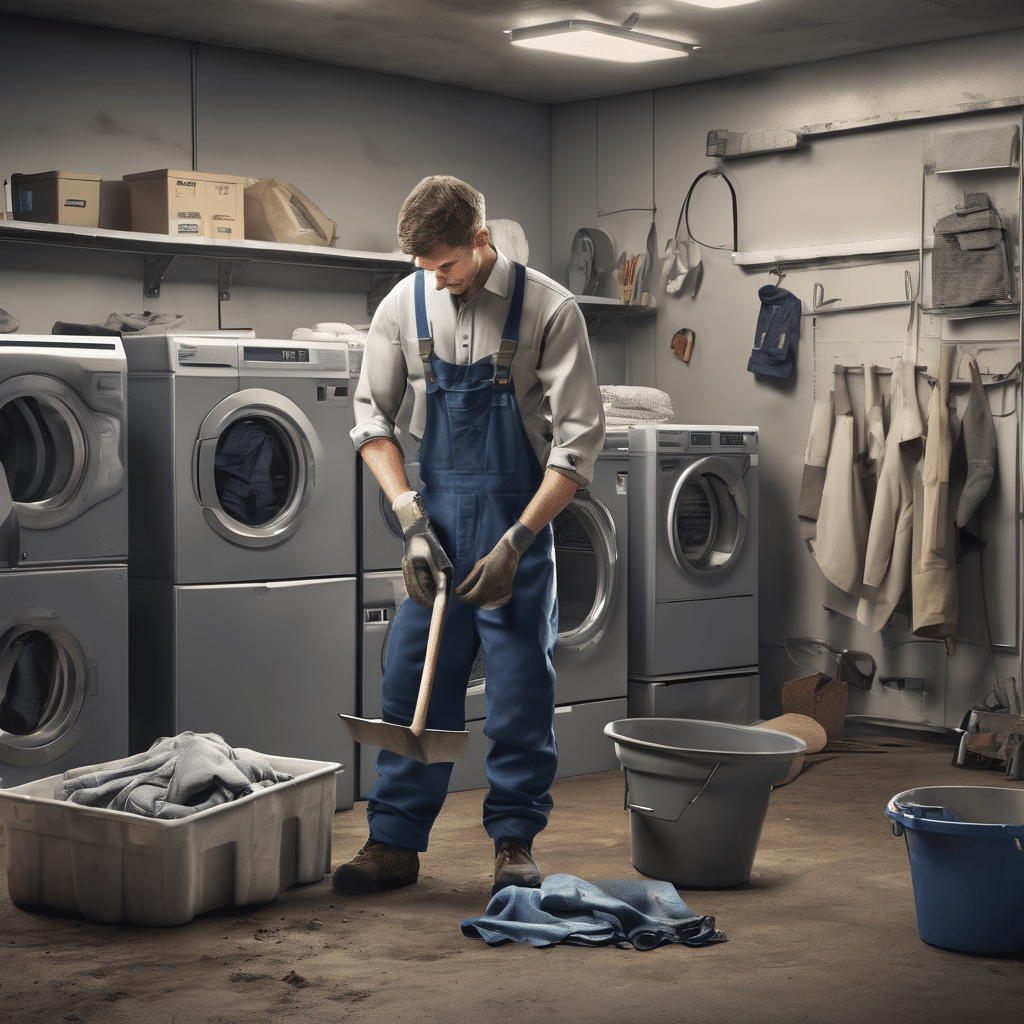
Every day, millions of workers across the United States rely on their heavy-duty workwear to provide both protection and durability in demanding environments. Caring for these garments after daily use is not just about maintaining appearances, but about ensuring their effectiveness and lifespan.
Why Proper Care Matters
Find verified workwear suppliers by state
Heavy-duty workwear is an investment in safety and functionality. Its durability can be compromised without proper care, reducing its effectiveness and lifespan. For example, a missed cleaning cycle can impact materials that repel chemicals or moisture.
You can also compare suppliers in San Antonio and Bakersfield. For deeper pages, review listings like 5 Points Men's Clothing and Acm & Sons Corp. Or use the cities index and states directory.
Daily Care Routine
Useful directory pages to compare next
Compare suppliers in Los Angeles and Tampa if you want more local options. You can also jump into listings such as 5 Points Men's Clothing and Acm & Sons Corp. For wider navigation, use the city index or the state directory.
You don't need to spend hours maintaining your workwear, but a few focused minutes daily can make a significant difference.
Inspect and Assess
Every day, before taking off your uniform, take a moment to inspect it. Look for any tears or damage that might need immediate attention.
- Check seams and stitching for integrity.
- Inspect fasteners such as zippers, buttons, and Velcro.
- Look for stains or spots that require prompt treatment.
Effective Cleaning Techniques
Washing heavy-duty workwear doesn't have to be an arduous task. Follow these steps for best results:
Read the Label
Always start by reviewing the manufacturer's care label. This provides specific instructions that are essential for preserving the integrity of the fabric.
Use Appropriate Detergents
Choosing the right detergent is crucial. Opt for options that do not contain bleach or other harsh chemicals that could break down the materials.
- Prefer pH-neutral detergents to keep fabric strong.
- Avoid fabric softeners, as they can compromise protective finishes.
Washing Tips
Whenever possible, wash workwear separately from regular clothing to avoid contamination. Use cold or warm water settings to prevent shrinkage and color fading.
Specific Stain Treatments
Even the most robust work environments can lead to unexpected stains, which require specialized treatment.
Oil and Grease
Treat oil and grease stains by pre-treating the affected areas with a small amount of mild detergent or dish soap. Work it into the fabric gently, then wash as usual.
Paint and Chemicals
If you've come into contact with paint or chemicals, it might be helpful to use a stain remover specifically designed for these substances. Apply according to the product's instructions before laundering the garment.
Drying and Storage
Once the cleaning process is complete, proper drying and storage is key to maintaining garment quality.
Air Dry vs. Machine Dry
Whenever possible, air dry your workwear to prevent misshaping and to preserve any fire-retardant qualities. If machine drying is necessary, use low heat settings.
Storage Tips
Store your workwear in a cool, dry place away from direct sunlight. Invest in hangers to maintain shape, especially for overalls or coveralls.
Real Life Example: The Power of Proper Care
Consider a construction worker who routinely follows these care practices. From spotting and addressing small tears to selecting the right detergents, these efforts mean a significant saving on garment replacement costs.
Moreover, workwear that is well-maintained upholds safety standards by providing consistent protection against fabric degradation.
FAQs About Workwear Care
Here, we answer some of the most frequently asked questions about maintaining heavy-duty workwear.
Can fabric softeners harm my work attire?
Yes, they can. Fabric softeners can coat fibers, reducing breathability and weakening water-repellent finishes.
What if my workwear has reflective stripes?
Reflective stripes require special attention during washing. Avoid abrasive cleaners and prefer air-drying to protect reflectivity.
Do temperature settings in washing machines matter?
Absolutely. Cold or warm water settings are preferred, as hot water can cause shrinkage and may degrade protective properties.
In conclusion, consistent care of heavy-duty workwear extends the life of the garments and maintains their protective qualities. The key is in the small, daily actions that ensure that your investment serves you well, keeping you safe and comfortable in challenging environments.
Find suppliers before placing your next order
Use the directory to review local options and deeper listing pages.
Start with listings such as 5 Points Men's Clothing, Acm & Sons Corp and Alsco Uniforms.
Leave a Reply