When it comes to choosing the right workwear, **durability** stands as a pivotal factor. In the world of labor-intensive jobs, clothing that can withstand the rigors of daily tasks is not just a luxury—it's a necessity.
Understanding the Importance of Durable Materials
Find uniform suppliers by location
Browse by city
·
Browse all states
*Why does durability matter so much?* Because durable workwear materials ensure both safety and longevity, offering protection against wear and tear.
You can also compare suppliers in Tampa and Los Angeles. For deeper pages, review listings like 5 Points Men's Clothing and Acm & Sons Corp. Or use the cities index and states directory.
The Standards of Toughness
From resisting abrasions to enduring harsh weather, the materials used in workwear are engineered to surpass many challenges.
Boosting Employee Confidence
Wearing workwear crafted from the most durable materials can enhance an employee’s confidence, knowing they’re protected effectively.
Common Durable Workwear Materials
Useful supplier pages to compare next
Compare suppliers in San Diego and Orlando if you want more local options. You can also jump into listings such as 5 Points Men's Clothing and Acm & Sons Corp. For wider navigation, use the city index or the state directory.
Cotton Duck
Cotton duck is often the first choice for workwear due to its robustness.
This heavy, plain-woven cotton fabric is particularly renowned for its resistance to snags and wind.
Whether used in jackets or coveralls, cotton duck offers a unique combination of durability and comfort.
Denim
For those who believe denim is exclusive to jeans, think again.
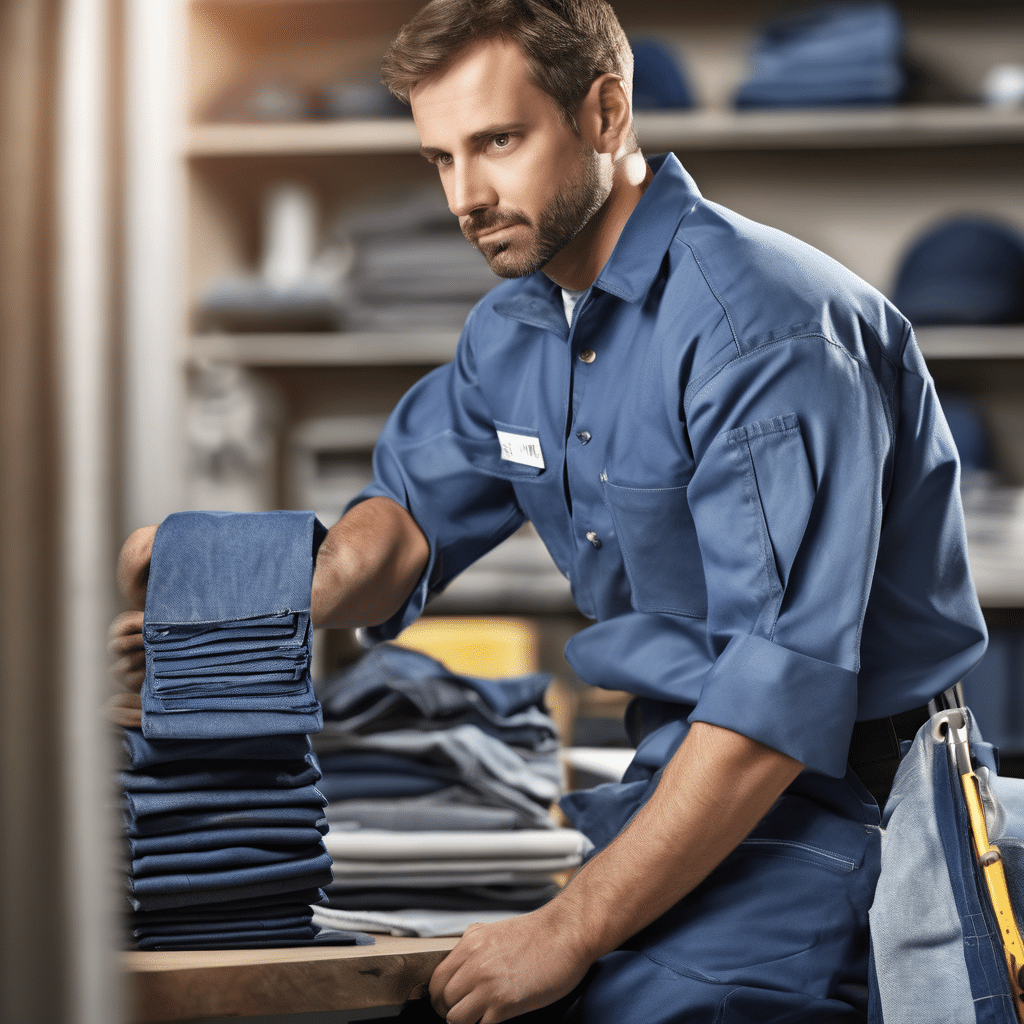
In the world of workwear, **denim** stands as a heavyweight contender, favored for its resilience and classic aesthetic.
Many industrial uniforms utilize denim to balance both style and functionality.
Leather
While often associated with luxury, leather plays a crucial role in crafting durable workwear, especially in gloves, jackets, and aprons.
Its inherent toughness and *ability to resist cuts* make it an indispensable choice in certain professions.
Advanced Synthetic Fabrics
Kevlar
Kevlar is a game-changer in workwear, especially in industries requiring heightened protection levels.
Known for its impressive tensile strength, Kevlar is used in bulletproof vests and cut-resistant gloves, making it integral in hazardous job environments.
Nylon
Nylon has made a name for itself in the realm of durability, offering a robust and lightweight option for work apparel.
This synthetic material withstands wear and tear, with brands incorporating it in a variety of industrial garments.
- Resistant to abrasions
- Lightweight and comfortable
- Cost-effective solution
Ripstop Fabric
Stepping into the modern age, ripstop fabric offers a unique dimension of protection.
This fabric incorporates a special reinforcing technique using heavier threads, preventing opportunistic rips and tears.
Real-Life Insight Into Material Durability
Consider John, a construction worker in Chicago, a city known for both its scorching summers and brutal winters.
Over the years, John has experimented with various materials, ultimately vouching for cotton duck and Kevlar-blend gloves.
Despite the physical demands of his job, his **workwear remains intact**, supporting him through rain, shine, and heavy-duty tasks.
Real-world stories like John's highlight not just the necessity, but the practical efficiency of choosing the right materials.
Choosing the Right Material for Your Needs
Industrial vs. Office Workwear
The material choice hinges on the nature of the job.
While manual labor may require tougher fabrics like Kevlar, an office setting might allow for lighter, breathable cotton blends.
Weather and Climate Considerations
In regions with extreme climates, **weather-appropriate materials**—such as thermal-lined or waterproof fabrics—become essential.
Budgeting for Quality
While it might be tempting to choose inexpensive materials, investing in durable fabrics pays off in the long term.
They outlast cheaper alternatives, promising safety without frequent replacements.
- Evaluate job-specific needs
- Consider local weather patterns
- Invest in proven durability
In summary, *understanding the specifics of workwear materials* allows employers and employees alike to make informed, practical decisions.
A commitment to quality not only ensures durability but also optimizes the comfort and safety for the workforce.
Whether opting for classic fabrics like cotton duck and denim or turning to modern marvels such as Kevlar and ripstop, the benefits are clear.
By investing wisely, the durable materials of today lay the foundation for a resilient workforce tomorrow.
Compare real uniform suppliers next
Browse real businesses by city, state and individual listing.
Start with listings such as 5 Points Men's Clothing, Acm & Sons Corp and Alsco Uniforms.
Leave a Reply