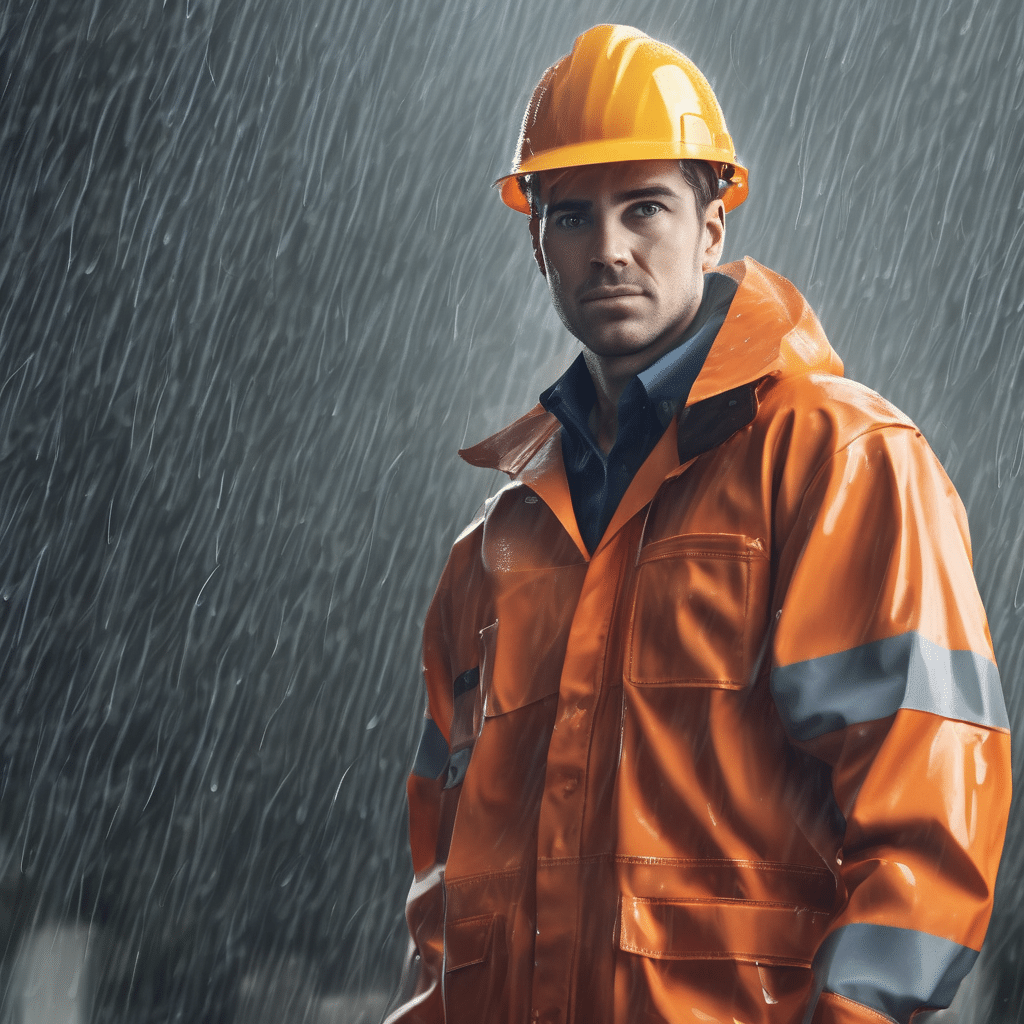
The importance of choosing the right workwear for rainy and wet conditions cannot be underestimated. From safety to comfort, proper attire plays a crucial role. As professionals, we understand the significance of staying dry and safe while maintaining productivity. Whether you're a construction worker, gardener, or delivery driver, having the appropriate gear is essential.
Understanding the Environment
Find PPE suppliers by location
Browse by city
·
Browse all states
Before choosing workwear, it's important to understand your working environment. Not all wet conditions are the same, and the demands can vary.
You can also compare suppliers in Tampa and Los Angeles. For deeper pages, review listings like 5 Points Men's Clothing and Acm & Sons Corp. Or use the cities index and states directory.
Types of Wet Conditions
Rainy days, humid environments, and unexpected downpours all present unique challenges. Workers need gear that addresses each of these scenarios efficiently.
- Rainy Days: Consistent rain requires durable, waterproof attire.
- High Humidity: Lightweight and breathable materials are a must.
- Unexpected Downpours: Quick-dry fabrics that offer immediate protection are invaluable.
Selecting the Right Materials
Useful supplier pages to compare next
Compare suppliers in Riverside and El Paso if you want more local options. You can also jump into listings such as 5 Points Men's Clothing and Acm & Sons Corp. For wider navigation, use the city index or the state directory.
Choosing the right materials can make a significant difference. Here's a breakdown of materials you should consider for workwear in wet conditions:
Waterproof vs Water-Resistant
Understanding the difference between waterproof and water-resistant is crucial. Waterproof garments provide complete protection, while water-resistant materials fend off water only temporarily.
- Waterproof: Made from treated materials or laminated fabrics for total protection.
- Water-Resistant: Typically treated with a special coating but not suitable for prolonged exposure.
Essential Features to Consider
When selecting workwear, specific features can enhance functionality and comfort:
Ventilation Options
Ventilation is important to prevent overheating. Options like pit zips or mesh linings enhance airflow while keeping rain out.
Adjustable Features
Adjustable cuffs, hems, and hoods allow customization of fit, offering better protection and comfort.
Pocket Placement
Pockets should be easily accessible yet protected from water. Look for covered or zippered options.
Ensuring Visibility
During rainy conditions, visibility is often impaired. Choosing high-visibility workwear can enhance safety.
High-Visibility Options
Bright colors and reflective strips are essential. Consider garments with reflective tape to enhance visibility to others, ensuring safety is never compromised.
All in the Details
Small details, such as color contrasts or additional reflective areas, can significantly impact visibility.
An Anecdote on Safety
Picture this: a construction site in Seattle, notorious for its persistent rain. Construction manager Jake shares a story about a crucial workwear upgrade. Originally, workers wore standard gear that was not fully waterproof. An intense rainstorm hit, which led to several workers heading home early due to being soaked and uncomfortable. Productivity plummeted, and projects faced delays. Seeing the impact, Jake consulted an expert and decided to revamp the team's workwear.
The solution was a procurement of gear specifically designed for the Seattle climate. Staff received specialized jackets with waterproof membranes, breathable yet sturdy. Immediately, improvements were evident. Workers stayed dry, comfortable, and more engaged. Delays were minimized, morale improved, and safety was enhanced. "The initial investment in enhanced workwear paid off multifold," Jake concluded. This experience not only improved operations but also underscored how vital appropriate attire is for challenging conditions.
Maintenance and Longevity
Proper maintenance of rain gear ensures longevity and sustained protection.
Regular Cleaning
Follow manufacturer instructions for proper cleaning. Avoid harsh detergents that can degrade waterproofing.
Restoration of Waterproofing
Over time, coatings may wear. Periodically restoring this protection with appropriate products is suggested.
Storage Practices
Proper storage, ensuring items are dry and uncompressed, prolongs their effective lifespan.
Additional Considerations
Understanding personal preferences and job-specific requirements is critical when choosing workwear.
Layering Strategies
Layering allows adaptability to changing conditions. Base layers should wick moisture; outer layers should repel water.
Footwear Importance
Proper footwear is crucial. Waterproof boots with non-slip soles prevent accidents and keep feet dry.
FAQs on Rainy Workwear
To help deepen your understanding, here are some common questions and answers regarding selecting workwear for wet conditions:
- Do I need waterproof gear for humid environments? In such cases, breathable yet water-resistant options might suffice.
- How can I ensure my workwear stays waterproof? Regular maintenance and the use of specific products for reproofing are recommended.
In summary, selecting the right workwear for rainy and wet conditions is essential for safety, comfort, and efficiency. By understanding your environment, choosing the right materials, and considering essential features, you can remain prepared no matter the weather. Prioritizing these factors not only protects you but also enhances your work performance, ensuring every task is accomplished effectively.
Compare real PPE suppliers next
Browse real businesses by city, state and individual listing.
Start with listings such as 5 Points Men's Clothing, Acm & Sons Corp and Alsco Uniforms.
Leave a Reply