In the vibrant world of construction, safety isn't just a buzzword; it's an absolute necessity.
Choosing the right workwear is essential to ensure compliance with stringent safety standards and to protect workers from potential hazards.
You can also compare suppliers in San Antonio and Bakersfield. For deeper pages, review listings like 5 Points Men's Clothing and Acm & Sons Corp. Or use the cities index and states directory.
Let's delve into how you can select the most appropriate workwear for construction, focusing on safety, durability, and comfort.
Understanding Construction Safety Standards
Find verified workwear suppliers by state
Before diving into the intricacies of workwear, it’s crucial to comprehend the safety standards set by organizations like OSHA and ANSI.
These standards provide guidelines to mitigate risks associated with various construction tasks.
Adhering to these regulations not only safeguards workers but also shields businesses from hefty fines and legal liabilities.
Categories of Workwear for Construction
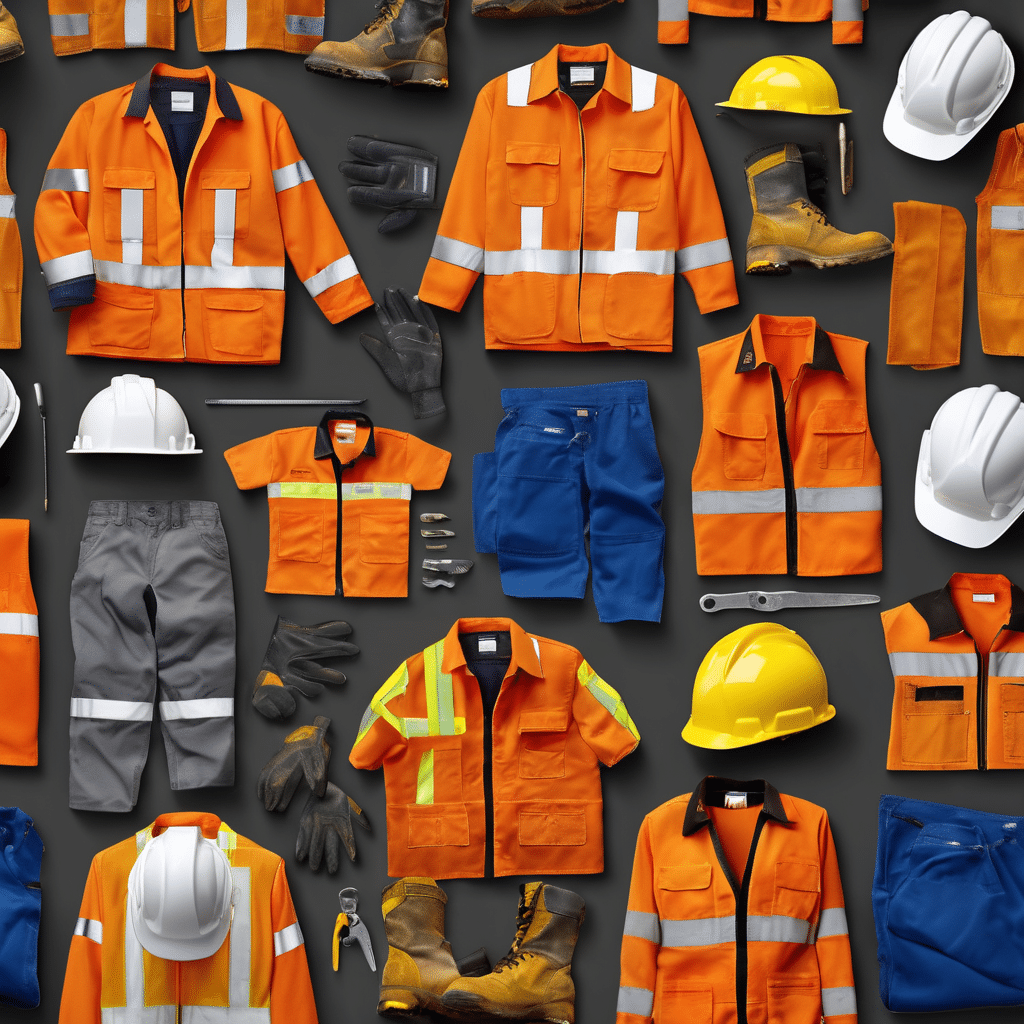
Workwear can be categorized into several segments, each serving a specific purpose.
- High-Visibility Clothing: Required in areas with heavy equipment operation or poor lighting.
- Protective Footwear: Essential for preventing injuries from falling objects and sharp materials.
- Hard Hats: A must-have to protect against head injuries.
- Gloves: To shield hands from cuts, abrasions, and chemical exposure.
Importance of Material in Workwear
Useful directory pages to compare next
Compare suppliers in Los Angeles and Tampa if you want more local options. You can also jump into listings such as 5 Points Men's Clothing and Acm & Sons Corp. For wider navigation, use the city index or the state directory.
Choosing the right material could mean the difference between safety and vulnerability.
Durable fabric like cotton duck or denim offers abrasion resistance, essential for withstanding daily wear and tear.
For workers exposed to electrical hazards, clothing made from fire-resistant fabrics is a prudent choice.
Anecdote: Real-Life Experience
Consider the case of a construction manager who overlooked the importance of high-visibility workwear.
Despite stringent site rules, a worker didn’t wear a fluorescent vest, compromising his safety.
He narrowly missed being hit by heavy equipment, an incident that could have been avoided by adhering to safety standards.
This incident reinforces the critical need for vigilant compliance with apparel regulations on-site.
Fitting and Comfort
The importance of comfortable workwear cannot be overstated.
Improperly fitting clothing can restrict movement and reduce worker efficiency, potentially increasing the risk of accidents.
Ensure garments are the right size, providing ease of movement while maintaining protection.
Checklist for Choosing the Right Workwear
To choose the best workwear for construction safety, consider the following checklist:
- Identify potential hazards associated with specific construction tasks.
- Select clothing made of materials suitable for the particular environmental conditions.
- Ensure all garments and footwear meet OSHA and ANSI specifications.
- Check the product's durability and resistance to wear and tear.
- Comfort should always complement safety; poorly fitting garments can be hazardous.
Cultural Considerations and Inclusivity
Diversity in the workforce also calls for a variety of workwear options.
Cultural considerations, such as religious attire, should be respected and integrated without compromising safety.
Offering a range of sizes and fits can make all team members feel valued and included.
Designing inclusive workwear can enhance morale and productivity.
Frequently Asked Questions about Construction Workwear
Addressing commonly asked questions can shed light on selecting appropriate workwear.
Why is high-visibility clothing vital on construction sites?
High-visibility clothing ensures that workers remain visible to equipment operators, preventing accidents in low-light conditions.
How often should workwear be replaced?
Depending on the job's intensity and environment, workwear may need replacing annually or sooner if signs of wear appear.
Can layers enhance safety?
Yes, layering provides additional protection and flexibility for temperature regulation, critical in fluctuating weather conditions.
In summary, choosing the right workwear in construction is not a simple decision, but a vital one.
By prioritizing safety standards, material integrity, and comfort, teams remain protected and efficient.
The correct choices reduce risks, foster a safe working environment, and demonstrate a company’s commitment to worker well-being.
Find suppliers before placing your next order
Use the directory to review local options and deeper listing pages.
Start with listings such as 5 Points Men's Clothing, Acm & Sons Corp and Alsco Uniforms.
Leave a Reply