When it comes to selecting safety clothing for different industries, understanding the unique needs and regulations of each sector is crucial.
Understanding Safety Clothing Requirements
Find verified workwear suppliers by state
Each industry has its own set of safety standards and requirements.
You can also compare suppliers in San Antonio and Bakersfield. For deeper pages, review listings like 5 Points Men's Clothing and Acm & Sons Corp. Or use the cities index and states directory.
The first step in choosing the right safety clothing is to become familiar with these standards.
Regulations can vary widely between industries such as construction, healthcare, or the chemical sector.
The Occupational Safety and Health Administration (OSHA) provides guidelines for most industries, and it's essential to follow these standards closely.
Why Standards Matter
Safety standards are put in place to protect workers from hazards specific to their industry.
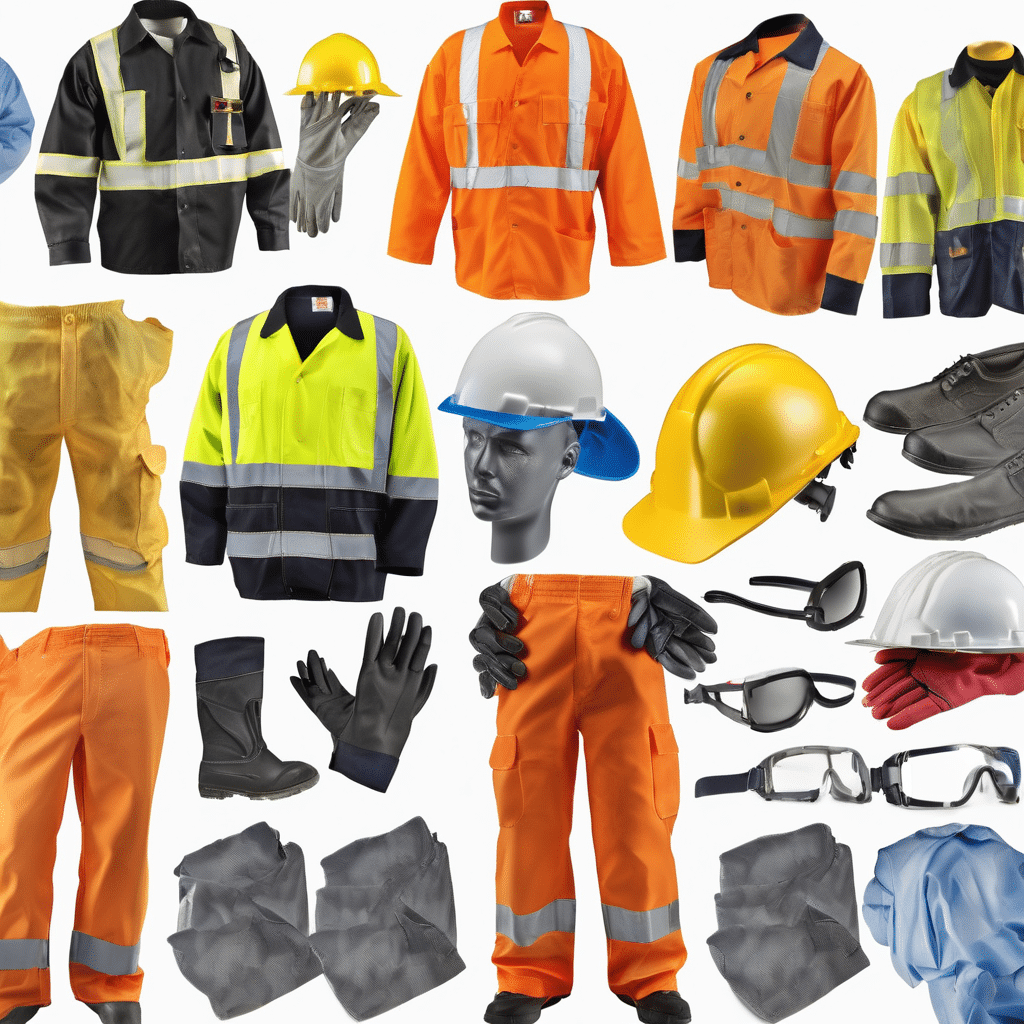
For instance, the construction industry often requires high-visibility clothing to ensure workers are easily seen.
On the other hand, healthcare workers might need clothing that protects them from infectious diseases.
These standards are not just guidelines; adhering to them can be the difference between a safe work environment and one fraught with danger.
Key Factors in Selecting Safety Apparel
Useful directory pages to compare next
Compare suppliers in Los Angeles and Tampa if you want more local options. You can also jump into listings such as 5 Points Men's Clothing and Acm & Sons Corp. For wider navigation, use the city index or the state directory.
While legal compliance is crucial, several factors should guide your selection of safety clothing beyond just meeting standards.
Comfort and Dexterity
Safety is the priority, but comfort cannot be overlooked.
If safety clothing is uncomfortable or restricts movement, workers are less likely to wear it correctly.
Clothing should provide a balance between protection and ease of movement.
- Material: Choose materials that offer protection without compromising on comfort.
- Fit: Clothing should fit well to allow natural movement and to avoid trapping hazards.
Durability and Maintenance
Durable safety clothing saves money in the long run and ensures continued protection.
However, maintenance is as crucial as durability.
Check if the clothing is easy to clean and how it holds up after repeated washing.
- Fabric Quality: Opt for fabrics known for their durability, such as reinforced cotton or specialized synthetics.
- Maintenance: Look for garments that don't degrade in protective capability after cleaning.
Industry-Specific Clothing Insights
Different industries demand specific types of safety clothing to address their unique hazards.
Construction Industry
High-visibility clothing is essential in this sector.
According to OSHA, thousands of workers are injured yearly due to poor visibility.
Anecdotally, there's a case where a worker's visibility vest caught the light from a vehicle just in time to prevent a tragic accident.
This highlights the critical role these garments play in keeping workers safe.
Healthcare
For healthcare workers, personal protective equipment (PPE) such as gowns, gloves, and masks are crucial.
The recent pandemic has further emphasized the importance of PPE in protecting against infectious diseases.
Safety clothing in healthcare must meet stringent sterility and protection standards.
Chemical Industry
This industry requires workers to wear clothing that shields against chemical spills and exposure.
Materials need to be resistant to specific chemicals and comfortable enough for extended wear.
An interesting fact is that during chemical spills, the difference in clothing quality can prevent serious injuries.
The Importance of Layers and Accessories
In certain industries, layering safety clothing can provide added protection.
For instance, construction workers often layer clothing for warmth and added visibility.
Accessories such as helmets, gloves, and goggles are also vital components of safety apparel.
- Helmets: Protect against head injuries in industries like construction and mining.
- Gloves: Crucial for workers handling dangerous materials to prevent burns and cuts.
- Goggles: Necessary in environments with flying debris or harmful chemicals.
Adapting to Climate and Environmental Conditions
Environmental conditions significantly affect the choice of safety clothing.
Extreme temperatures, whether hot or cold, require specific clothing adaptations.
In areas with high temperatures, breathable fabrics are essential to prevent heatstroke.
Conversely, in colder climates, insulated clothing becomes necessary.
Real-World Implications
Anecdotally, workers in a mining region shared how insulated suits designed for cold temperatures drastically improved their working conditions.
This real-world example underscores the importance of adapting clothing to environmental conditions.
In summary, choosing the right safety clothing involves a careful blend of regulatory compliance, comfort, durability, and adaptability to specific industry needs.
Considering factors such as visibility, protective materials, and environmental conditions ensures that the safety apparel serves its intended purpose effectively.
The lives of workers often depend on these decisions, making it imperative to take a thoughtful and thorough approach in the selection process.
Find suppliers before placing your next order
Use the directory to review local options and deeper listing pages.
Start with listings such as 5 Points Men's Clothing, Acm & Sons Corp and Alsco Uniforms.
Leave a Reply