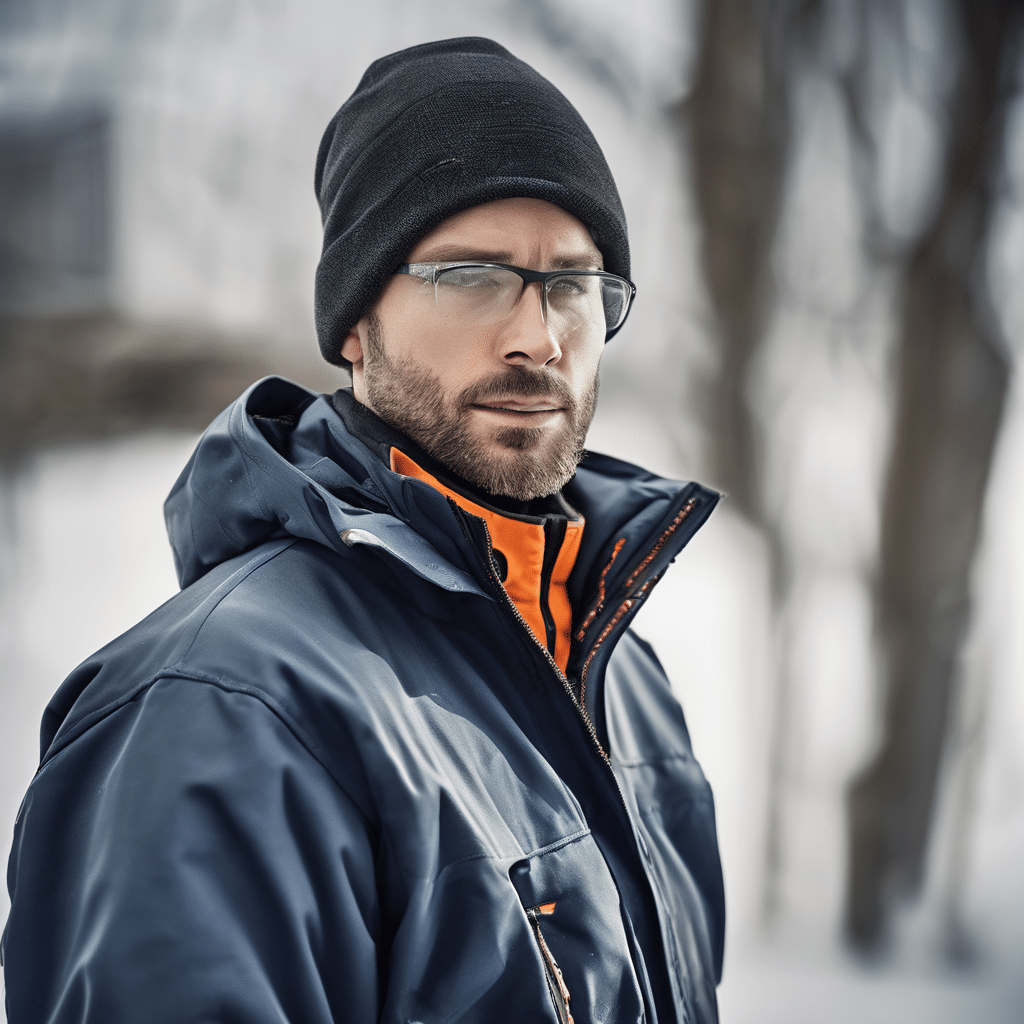
Winter brings a unique set of challenges for those working outdoors. Ensuring you are adequately protected from the elements is not just about comfort; it's about safety and productivity. Choosing insulated workwear that truly meets your needs can make all the difference.
Understanding Your Needs
Find verified workwear suppliers by state
Before buying, take a moment to assess your specific requirements. Each job may demand something different from your winter workwear. Are you in an area with heavy snow and wind, or is your primary concern staying dry?
Start with PPE suppliers and Flame resistant workwear if you want faster directory pages tied to this topic. You can also compare suppliers in San Antonio and Bakersfield. For deeper pages, review listings like 5 Points Men's Clothing and Acm & Sons Corp. Or use the cities index and states directory.
Think about the nature of your work. Is your job highly physical, requiring flexibility and breathability, or do you spend it standing still in the cold, prioritizing warmth? *Considering these factors can guide you to the right choice.*
Key Features to Consider
Useful directory pages to compare next
Open searches such as PPE suppliers and Flame resistant workwear to get straight into local pages. Compare suppliers in Los Angeles and Tampa if you want more local options. You can also jump into listings such as 5 Points Men's Clothing and Acm & Sons Corp. For wider navigation, use the city index or the state directory.
There are several essential features that every set of insulated workwear should have. Having these in mind ensures you're not shocked by the first winter storm.
Material Quality
The material is the foundation of all good insulated workwear. *High-quality fabrics* like cotton duck or polyester blend can provide the necessary durability and warmth. They should be designed to handle both the stress of the job and the challenges of the weather.
- Cotton Duck – Durable and abrasion-resistant.
- Polyester Blend – Offers water resistance and flexibility.
- Fleece Lining – Essential for added warmth and comfort.
Insulation Type
Insulation is what keeps you warm. *Choose materials like Thinsulate or quilted insulation*, which balance warmth with reasonable weight. Avoid overly bulky options unless your environment absolutely requires it.
Water and Wind Resistance
Even the most insulated jacket will fail if it doesn't keep out moisture and cold winds. Look for workwear with DWR (Durable Water Repellent) coatings or tightly woven fabrics that naturally block the wind.
- DWR Coatings – Necessary for repelling light rain and snow.
- Sealed Seams – Prevents water ingress, ensuring you stay dry.
Layering Compatibility
Layering is a crucial strategy in winter apparel. Ensure your outerwear is designed to fit over other layers without restricting movement. *This approach can be easily adjusted for varying temperatures and levels of activity.*
Added Safety Features
Winter workwear should protect not only from the weather but also from job site hazards. Look for additional safety features that may be vital depending on your work environment.
Consider reflective strips for low-light conditions. Ensure workwear complies with any industry-specific standards or regulations, such as high visibility requirements.
Real Life Example
John, a construction foreman in Minnesota, often battled harsh winter conditions that tested his team's endurance. After a few seasons of trial and error with different gear, he found that insulated workwear with a fleece lining and DWR coating made the days more manageable.
He emphasized garments with sealed seams and windproof designs, helping his team maintain productivity without compromising safety. *John's experience underscores the importance of selecting the right gear – it's more than just a purchase; it's an investment in safety and efficiency.*
His selection process involved testing different materials, listening to his team's feedback, and adapting to changing conditions. This anecdotal evidence illustrates how investing in high-quality insulated workwear can greatly improve workplace effectiveness and morale during the cold months.
Frequently Asked Questions
It's natural to have questions when buying insulated workwear. Here are answers to some of the most common inquiries.
How do I care for insulated workwear?
Follow the manufacturer's washing instructions to maintain the fabric's effectiveness. *Typically, gentle cycles with cold water preserve the material integrity.*
Can layered workwear replace a good insulated jacket?
While layering helps, a well-insulated jacket designed for winter conditions offers unmatched protection against severe weather, making it a necessary piece in your wardrobe.
In summary, choosing the right insulated workwear is essential for staying warm, dry, and safe during winter work. The key features to consider include material quality, insulation type, and water resistance. Reflect on your specific working conditions and leverage layering strategies for optimal comfort and safety. Investing in the right gear will prepare you for even the harshest winter days, learning from anecdotes like John's, where thoughtful selection can boost productivity and well-being.
Find suppliers before placing your next order
Use the directory to review local options and deeper listing pages.
Start with listings such as 5 Points Men's Clothing, Acm & Sons Corp and Alsco Uniforms.
Leave a Reply