
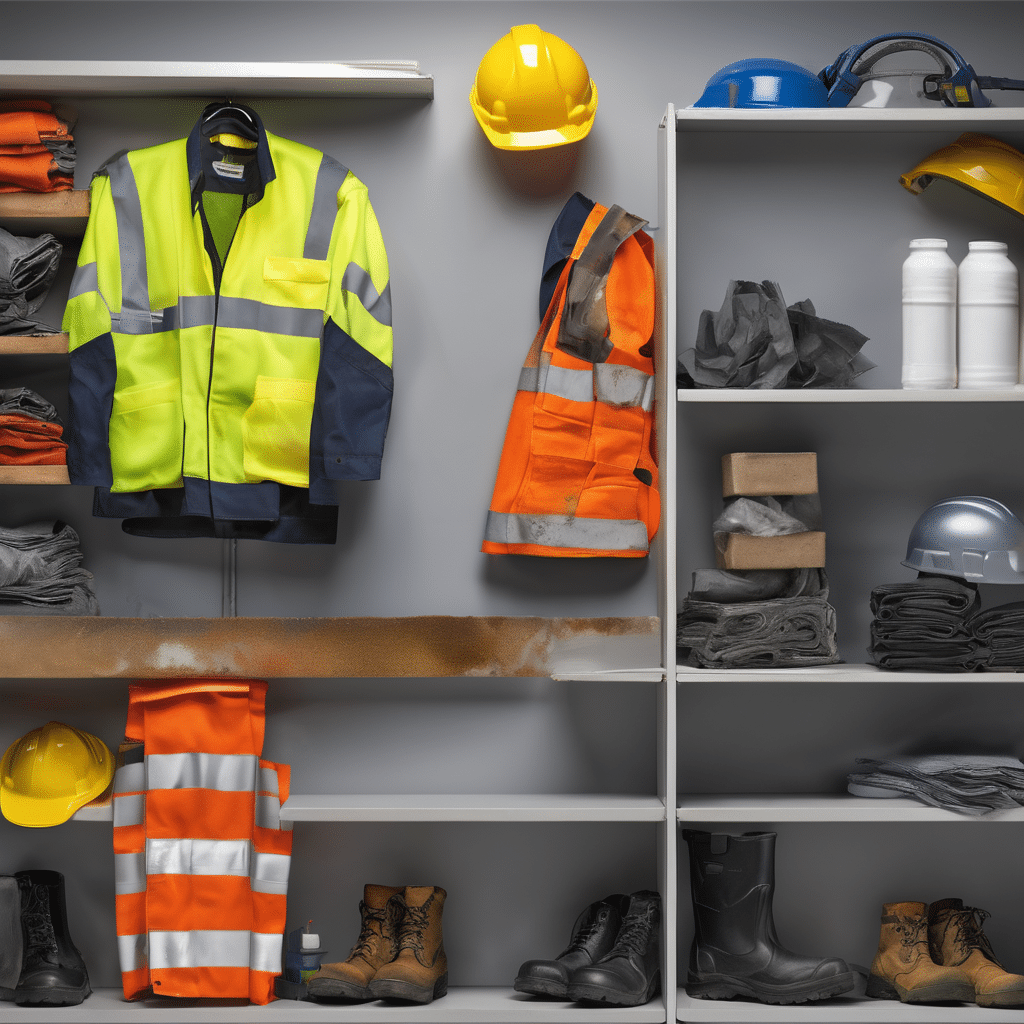
Ensuring safety in the workplace goes beyond just having the right equipment; it involves maintaining high standards with safety clothing.
The importance of keeping safety clothing in top condition cannot be understated.
You can also compare suppliers in Tampa and Los Angeles. For deeper pages, review listings like 5 Points Men's Clothing and Acm & Sons Corp. Or use the cities index and states directory.
For working professionals, investing time and effort into the upkeep of their protective gear is simply non-negotiable.
Understanding the Role of Safety Clothing
Find PPE suppliers by location
Browse by city
·
Browse all states
Safety clothing serves one primary purpose: protection.
Whether it's a helmet, gloves, or vests, each item plays a critical role in minimizing the risk of workplace injuries.
Understanding this purpose lays the foundation for maintaining them effectively.
Material Matters
Different safety clothes are made from various materials catering to specific needs.
Cotton is used for its breathability and comfort, particularly in warmer environments.
Kevlar is used for items that require resistances to cuts and abrasions.
Each material demands a unique maintenance approach to retain its protective qualities.
Daily Maintenance Routines
Useful supplier pages to compare next
Compare suppliers in Riverside and El Paso if you want more local options. You can also jump into listings such as 5 Points Men's Clothing and Acm & Sons Corp. For wider navigation, use the city index or the state directory.
Maintaining your safety clothing on a daily basis can significantly extend its life and effectiveness.
Developing consistent routines is key to ensuring every piece is in optimal condition.
Inspection is Crucial
Before every use, a brief inspection is necessary.
Here’s a straightforward checklist for assessing your gear:
- Look for tears, frays, or wear in fabrics.
- Check seams and closures for integrity.
- Ensure reflective strips are intact and not peeling.
- Confirm fasteners, like zippers and buttons, are functional.
These quick checks help catch potential hazards early.
Spot Cleaning Techniques
As dirt accumulates, certain areas of your clothing might need extra attention.
Spot cleaning is an effective method for tidying up without full laundering.
- Use mild detergent or soap on a soft cloth.
- Gently scrub stained or soiled areas.
- Rinse with clean water.
Always check the maintenance label for specific instructions before proceeding.
Weekly and Monthly Maintenance
While daily checks are foundational, some techniques require a bit more time.
Weekly and monthly upkeep rounds out your maintenance strategy.
Laundering With Care
Laundering safety clothing isn't as straightforward as regular clothing.
Improper washing can degrade reflective surfaces and protective coatings.
- Sort clothing by material and color.
- Use cold or warm water with mild detergents.
- Avoid bleach and fabric softeners.
- Air drying is preferable to machine drying.
Ensuring proper laundering helps in extending the life of your gear.
Storage Solutions
Proper storage methods significantly affect the wear and tear of safety clothes.
Here are some tips for effective storage:
- Store in a clean, dry place away from direct sunlight.
- Use hangers for items like jackets and vests to maintain shape.
- Avoid piling heavy items on top of soft gear to prevent deformation.
Good storage habits complement your regular maintenance efforts.
Real-Life Implications of Neglect
While theory is essential, stories from the field shed light on real implications of neglecting safety clothing maintenance.
Consider Sarah, a construction worker who ignored a small tear in her high-visibility vest.
One evening, as the light dimmed, the oversight nearly led to a severe accident when her visibility was compromised.
If only she had taken a moment to check her gear, the situation could have been avoided.
This is a powerful reminder of why consistent upkeep matters.
Her story serves as a cautionary tale about the real-world stakes involved.
It emphasizes the critical importance of vigilance and responsibility.
Another example involves John, a factory worker who noticed his gloves were wearing thin.
Unlike Sarah, he decided to replace them immediately.
Shortly after, his decision paid off, preventing a potential burn injury from hot machinery parts.
John’s proactive approach exemplifies how maintenance can directly protect you in hazardous environments.
These scenarios drive home the significance of regular gear checks.
Setting Up a Maintenance Schedule
A structured maintenance schedule can simplify the entire process.
Setting reminders for regular checks eliminates the risk of oversight.
Incorporate it into Routine
Committing to a maintenance schedule takes little time but offers significant benefits.
Here are steps to create an efficient schedule:
- Align gear checks with work shifts for convenience.
- Use digital reminders or calendar alerts as nudges.
- Keep detailed logs to track gear condition over time.
Avoiding complacency by staying organized maximizes safety.
Education and Training
Knowledge is power when it comes to proper gear maintenance.
Training sessions can educate staff about inspection and care procedures.
- Offer workshops as part of orientation.
- Regularly update staff on best practices.
- Encourage a culture of responsibility regarding personal gear.
Education enhances overall workplace safety culture.
The interplay between education and practical maintenance cannot be overstated.
By investing in staff knowledge, we leverage their skills for improved safety gear maintenance.
In this context, continuing education ensures employees stay abreast of latest techniques.
There's undeniable value in a workforce well-versed in gear preservation techniques.
This combination of knowledge and practice secures a safer working environment.
At the end of the day, the significance of proactive clothing maintenance becomes abundantly clear.
In summary, taking charge of your safety gear maintenance is more than a task; it’s a commitment to safety.
Adopting best practices ensures that your protective clothing continues to serve its vital function.
By understanding materials, setting schedules, and learning from real-life examples, you empower yourself and your colleagues.
Ultimately, these efforts contribute to a safer, more responsible workplace.
Compare real PPE suppliers next
Browse real businesses by city, state and individual listing.
Start with listings such as 5 Points Men's Clothing, Acm & Sons Corp and Alsco Uniforms.
Leave a Reply