
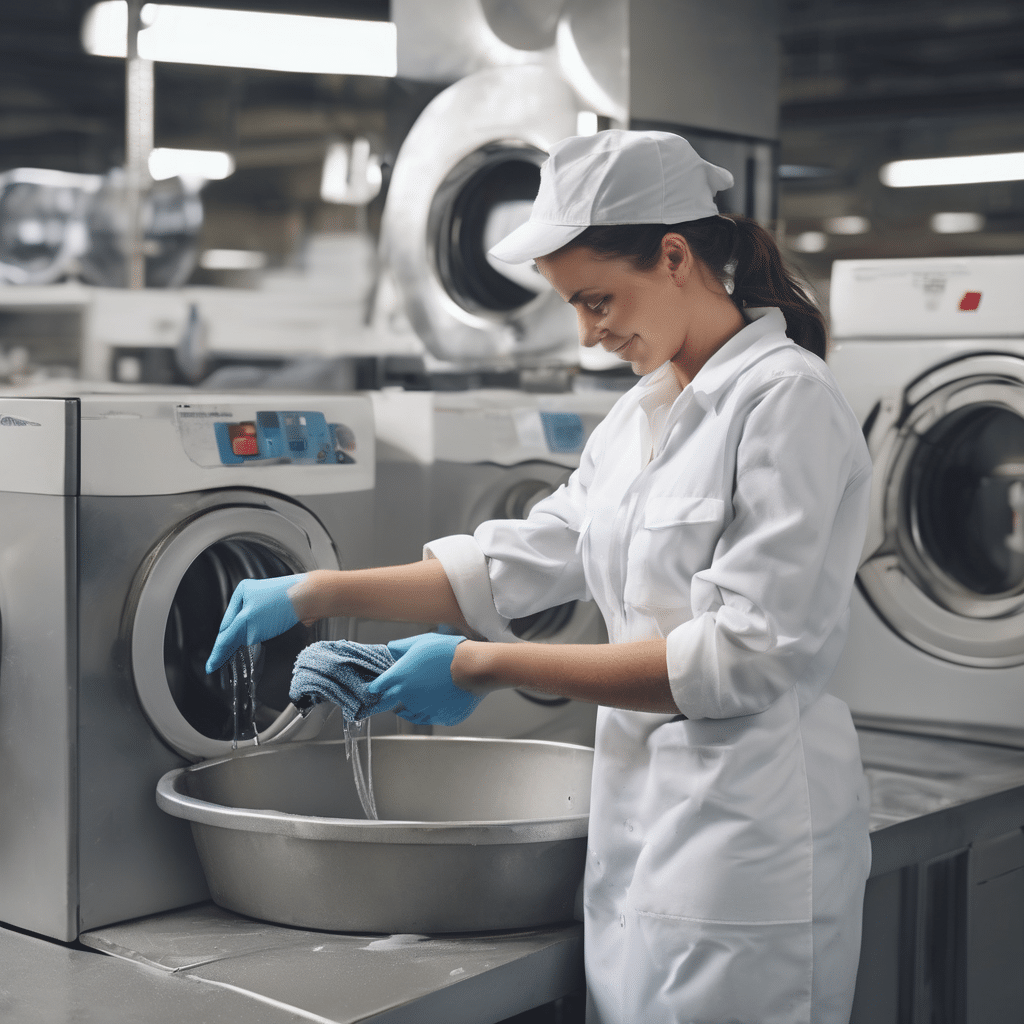
The care of workwear is just as important as choosing the right type for your job. When it comes to washing workwear, maintaining its durability and quality should be your top priority.
Understanding Fabric Types
Find verified workwear suppliers by state
Workwear comes in a variety of fabrics, each requiring a specific care routine. Some common materials include cotton, polyester blends, and more robust fabrics like denim.
Start with PPE suppliers and Flame resistant workwear if you want faster directory pages tied to this topic. You can also compare suppliers in San Antonio and Bakersfield. For deeper pages, review listings like 5 Points Men's Clothing and Acm & Sons Corp. Or use the cities index and states directory.
Understanding the composition of your workwear can drastically affect how you should wash it.
Cotton Fabrics
Naturally durable, cotton fabrics react well to most washing conditions. However, to preserve their color and structure, it's best to wash them in cold water.
- Use mild detergents.
- Avoid bleach as it can weaken fibers.
- For stains, pretreat them with a mixture of detergent and water.
Polyester Blends
These materials are less prone to shrinking and wrinkles, but they can still be sensitive to high temperatures.
- Wash in lukewarm water.
- Opt for a gentle cycle to avoid abrasion.
- Avoid high heat in the dryer to prevent damage.
Choosing the Right Detergent
Useful directory pages to compare next
Open searches such as PPE suppliers and Flame resistant workwear to get straight into local pages. Compare suppliers in Los Angeles and Tampa if you want more local options. You can also jump into listings such as 5 Points Men's Clothing and Acm & Sons Corp. For wider navigation, use the city index or the state directory.
Detergents play a significant role in the longevity of your workwear. Using the wrong type can cause damage over time.
Mild Detergents
These are the best choice for almost all types of workwear. They clean effectively while being gentle on fabrics.
- Good for color retention.
- Helps maintain fabric strength.
- Minimizes fading and shrinking.
Specialized Detergents
Sometimes, regular detergents aren't suitable, especially if your workwear has unique requirements like flame resistance.
- Look for detergents designed for specific fabrics or features.
- Enhance protective qualities.
- Avoid compromising material characteristics.
Temperature Matters
The temperature at which you wash and dry your workwear is crucial.
Washing Temperature
For most workwear, using cold or lukewarm water is ideal. High temperatures can weaken fabrics and cause shrinkage.
- Cold wash reduces energy consumption.
- Preserves colors effectively.
- Prevents unintended fabric damage.
Drying Temperature
Air drying is the best method to maintain the durability of workwear, but if you must use a dryer, choose the lowest heat setting possible.
- Reduces the risk of shrinkage.
- Minimizes wear and tear.
- Prolongs fabric life.
Additional Tips for Longevity
Looking for ways to extend the life of your workwear? Here are a few more tips.
Proper Sorting
Always sort your workwear by fabric type and color.
This prevents color bleeding and uneven wear.
Use of Fabric Softeners
Be cautious with fabric softeners, especially if your workwear has specialized coatings.
- May impede water resistance.
- Can affect flame retardant qualities.
- Opt for fabric fresheners instead.
Regular Inspections
Inspect your workwear regularly for signs of wear and tear. Immediate repairs can prevent further damage.
- Check for loose threads.
- Look for worn out areas.
- Take action before minor issues become major problems.
Real-Life Scenario
Imagine you're a professional working in construction. You rely heavily on your durable denim overalls to protect you while working long hours under challenging conditions.
Each end of the week, you face the challenge of cleaning them without sacrificing quality.
The denim is stiff and strong, and their reliability is paramount to your job performance.
You decide to follow best practices for washing rugged workwear. You cold wash them with mild detergent and hang them to air dry in a sunny spot.
Over time, you notice minimal wear compared to coworkers who opt for heated drying methods.
Your denim overalls maintain their durability, repaying the commitment to proper care with extended usability and reliability.
In concluding, maintaining the longevity and durability of your workwear doesn't have to be complicated. Stick to recommended practices and mindful techniques to ensure your apparel remains in top condition. Protect your investment and yourself with adequately cared-for workwear.
Find suppliers before placing your next order
Use the directory to review local options and deeper listing pages.
Start with listings such as 5 Points Men's Clothing, Acm & Sons Corp and Alsco Uniforms.
Leave a Reply