
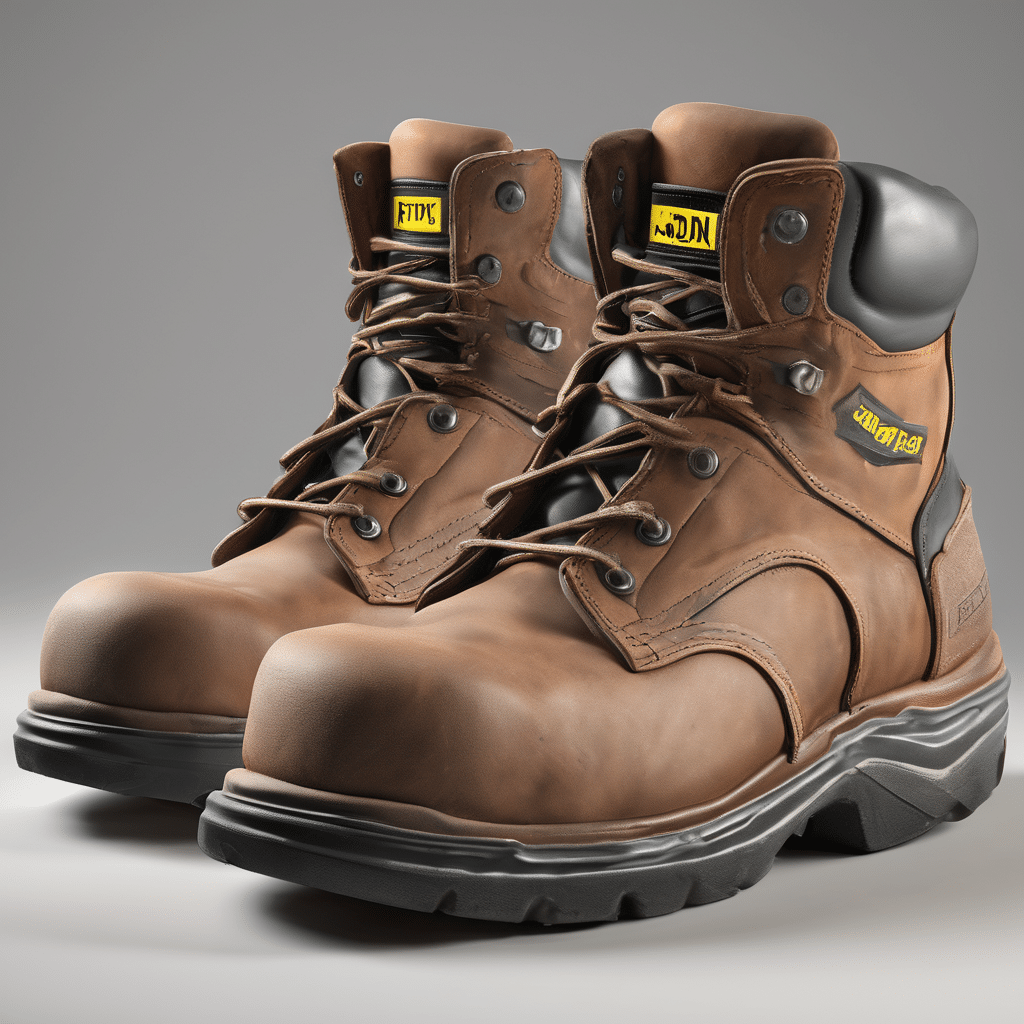
Choosing the right pair of boots is crucial for workplace safety and comfort. For those in industries where foot protection is non-negotiable, the debate often centers around steel toe versus composite toe boots. Both have unique advantages, but which is better for you?
Understanding Steel Toe Boots
Find verified workwear suppliers by state
Steel toe boots have been a staple in industries for decades. They provide unmatched protection, making them a popular choice for heavy-duty work environments. These boots feature a solid steel cap in the toe area, offering excellent resistance to high impact and compression.
You can also compare suppliers in San Antonio and Bakersfield. For deeper pages, review listings like 5 Points Men's Clothing and Acm & Sons Corp. Or use the cities index and states directory.
Traditionally, steel toe boots have been associated with maximum protection, capable of withstanding up to 75 pounds of impact and compression. This level of protection is critical for workers in construction, manufacturing, and other industrial sectors. However, their weight can be a disadvantage, leading to foot fatigue after prolonged use.
Benefits of Steel Toe Boots
- Durability: These boots can last longer due to their robust construction.
- Protection: Steel toes provide the highest level of impact and compression resistance.
- Cost-Effective: Generally, steel toe boots are more affordable than their composite counterparts.
Challenges of Steel Toe Boots
While their advantages are clear, steel toe boots can have drawbacks. They are heavier, which might not be suitable for those who need to stay on their feet all day. Also, in extremely cold environments, steel can be a thermal conductor, making the boots feel colder.
Exploring Composite Toe Boots
Useful directory pages to compare next
Compare suppliers in Los Angeles and Tampa if you want more local options. You can also jump into listings such as 5 Points Men's Clothing and Acm & Sons Corp. For wider navigation, use the city index or the state directory.
In contrast, composite toe boots offer a modern solution for foot protection. These boots feature a non-metallic cap made from materials like carbon fiber, Kevlar, or plastic. This makes them significantly lighter than their steel counterparts.
Although composite toe boots do not offer the same level of impact resistance as steel, they meet industry standards for protection. These boots are particularly favored in electrically sensitive environments, thanks to their non-metallic nature which reduces the risk of electrical hazards.
Advantages of Composite Toe Boots
- Lightweight: The absence of metal reduces overall boot weight, enhancing comfort.
- Temperature Friendly: Non-metal materials make them better suited for extremely hot or cold environments.
- Non-Conductive: Ideal for workplaces with electrical hazards.
Limitations of Composite Toe Boots
Composite boots may cost more than steel options due to the advanced materials used in construction. They also might not withstand as much impact or compression. Yet, they strike a balance between comfort and necessary protection in many scenarios.
Which Is Better for You?
Your choice depends heavily on your work environment and specific safety requirements. Steel toe boots reign supreme in scenarios demanding maximum protection, while composite toe boots shine in lighter, more moderate environments.
Understanding your daily work demands will help you make an informed decision. For example, someone working in construction may prioritize protection, while a worker in a hospital setting might choose comfort and lightweight features over maximum endurance.
Factors to Consider
- Environment: Analyze whether weight or thermal conductivity could affect your productivity.
- Budget: Consider both the upfront cost and potential replacement frequency.
- Regulations: Some industries have specific requirements that could steer your choice.
True Stories: Making the Right Choice
Take the case of John, a seasoned construction worker. He initially struggled with foot fatigue as he wore steel toe boots for long shifts. After experimenting with composite toe boots, he found the reduced weight significantly lessened his daily exhaustion and enhanced his productivity. His physical comfort increased, albeit with a slight compromise on protection.
On the other hand, Julia, an electrical engineer, found composite toe boots invaluable in situations where the risk of electrical shocks was prevalent. The non-conductive properties of composite materials gave her peace of mind, underscoring the importance of evaluating the work environment.
FAQs on Steel Toe vs Composite Toe Boots
Can composite toe boots stand rigorous tests?
Yes, they meet most safety standards and offer considerable protection for many work environments.
Do steel toe boots corrode over time?
Corrosion is generally not an issue, but exposure to specific chemicals could lead to degradation.
Are composite toe boots more comfortable?
How often should safety boots be replaced?
The replacement period varies; generally, every 6 to 12 months is advisable, depending on use and damage.
In summary, choosing between steel toe and composite toe boots hinges on your work demands, environmental factors, and comfort preferences. While steel toe boots offer formidable protection, composite toe boots bring comfort and versatility. Evaluate your work conditions and requirements to make the best choice for your safety and efficiency.
Find suppliers before placing your next order
Use the directory to review local options and deeper listing pages.
Start with listings such as 5 Points Men's Clothing, Acm & Sons Corp and Alsco Uniforms.
Leave a Reply