In the world of workwear, understanding the nuances between industrial and casual workwear is essential for selecting attire that balances functionality, safety, and style.
Defining Industrial Workwear
Find verified workwear suppliers by state
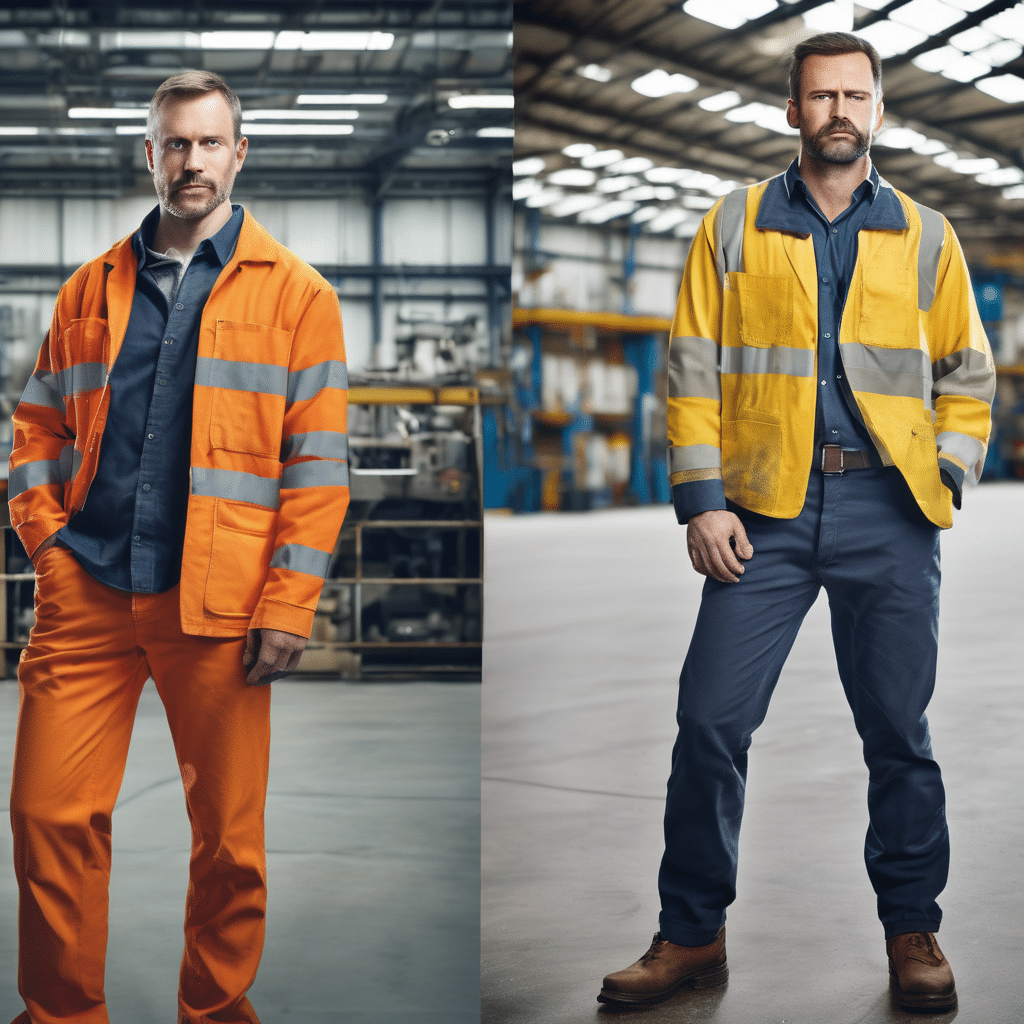
Industrial workwear is meticulously designed to handle harsh environments.
Start with PPE suppliers and Flame resistant workwear if you want faster directory pages tied to this topic. You can also compare suppliers in San Antonio and Bakersfield. For deeper pages, review listings like 5 Points Men's Clothing and Acm & Sons Corp. Or use the cities index and states directory.
It primarily focuses on durability and safety standards that meet specific industrial regulations.
These garments are crafted from heavy-duty materials like flame-resistant fabrics to decrease the risk of injury.
Industries such as construction, manufacturing, and oil & gas heavily rely on this type of workwear.
Characteristics of Industrial Workwear
- Durability: Made from robust materials with reinforced stitching.
- Functionality: Multiple pockets and tool loops for convenience.
- Safety Features: Flame-resistant, chemical-resistant, or reflective elements.
The goal is to offer maximum protection against hazards encountered on the job site.
Understanding Casual Workwear
Useful directory pages to compare next
Open searches such as PPE suppliers and Flame resistant workwear to get straight into local pages. Compare suppliers in Los Angeles and Tampa if you want more local options. You can also jump into listings such as 5 Points Men's Clothing and Acm & Sons Corp. For wider navigation, use the city index or the state directory.
In contrast, casual workwear emphasizes versatility and comfort.
This type of clothing is suitable for office environments, creative spaces, or jobs with less exposure to risk.
The apparel often takes inspiration from everyday fashion trends while maintaining a professional appearance.
Comfortable fabrics like cotton or polyester blends are common in casual workwear.
Key Attributes of Casual Workwear
- Comfort: Focused on ease of movement and wearability.
- Style: Aligns with current fashion trends, ensuring a polished look.
- Flexibility: Can transition from work to social settings with ease.
Casual workwear allows employees to express their style while adhering to workplace dress codes.
Key Differences and Practical Considerations
To better illustrate the differences, imagine a construction worker and a tech startup employee.
The construction worker requires clothing that withstands rugged conditions, like abrasive surfaces and extreme temperatures.
On the contrary, a tech employee might prefer comfortable jeans and a stylish blouse suitable for conferences or presentations.
The distinction lies in the environment and the demands it imposes on apparel.
When selecting workwear, it's crucial to consider safety requirements, workplace culture, and personal preference.
Practical Tips for Choosing the Right Workwear
- Identify the Work Environment: Understand the specific risks and requirements.
- Evaluate Comfort and Functionality: Ensure ease of movement and practicality.
- Consider Durability and Maintenance: Choose fabrics that withstand repeated wear and washing.
- Align with Workplace Standards: Follow dress codes and safety regulations.
An anecdotal perspective can be enlightening.
Consider the story of a newly appointed manager at a logistics company.
Excited and eager, he dressed in his best business suit, only to find himself supervising unloading activities at a dusty warehouse.
The suit quickly became impractical due to the dusty, active environment.
Despite the initial oversight, this manager quickly adapted, opting for a rugged jacket, sturdy boots, and durable jeans suited to both desk and field tasks.
The Role of Customization and Branding
In both industrial and casual workwear, customization plays a crucial role.
Companies can personalize uniforms with logos and branding to foster team spirit and brand identity.
The presence of a branded uniform often enhances professionalism and recognition both in and out of the workplace.
Employees dressed in branded apparel can significantly boost a company's visibility during public events or daily commutes.
Moreover, customization options allow for distinct design choices, aiding in differentiating teams or departments.
Examples of Effective Branding Strategies
- Embroidered Logos: Ensure a permanent and sophisticated look.
- Color Coordination: Use company colors to maintain brand consistency.
- Event-Specific Outfits: Special uniforms for company events or promotions.
Strategically designed workwear can directly influence team dynamics and public perception.
Consequently, businesses often view customized workwear as an investment in marketing and team cohesion.
Reflecting on both styles of workwear, proper selection can significantly enhance workplace productivity and safety.
Fostering a balance of protection, comfort, and style leads to a more engaged and secure workforce.
By understanding and implementing the distinct features of industrial and casual workwear, companies position themselves advantageously in their respective industries.
In summary, while industrial and casual workwear serve different purposes, they both play critical roles in today's diverse workplace environments.
Find suppliers before placing your next order
Use the directory to review local options and deeper listing pages.
Start with listings such as 5 Points Men's Clothing, Acm & Sons Corp and Alsco Uniforms.
Leave a Reply