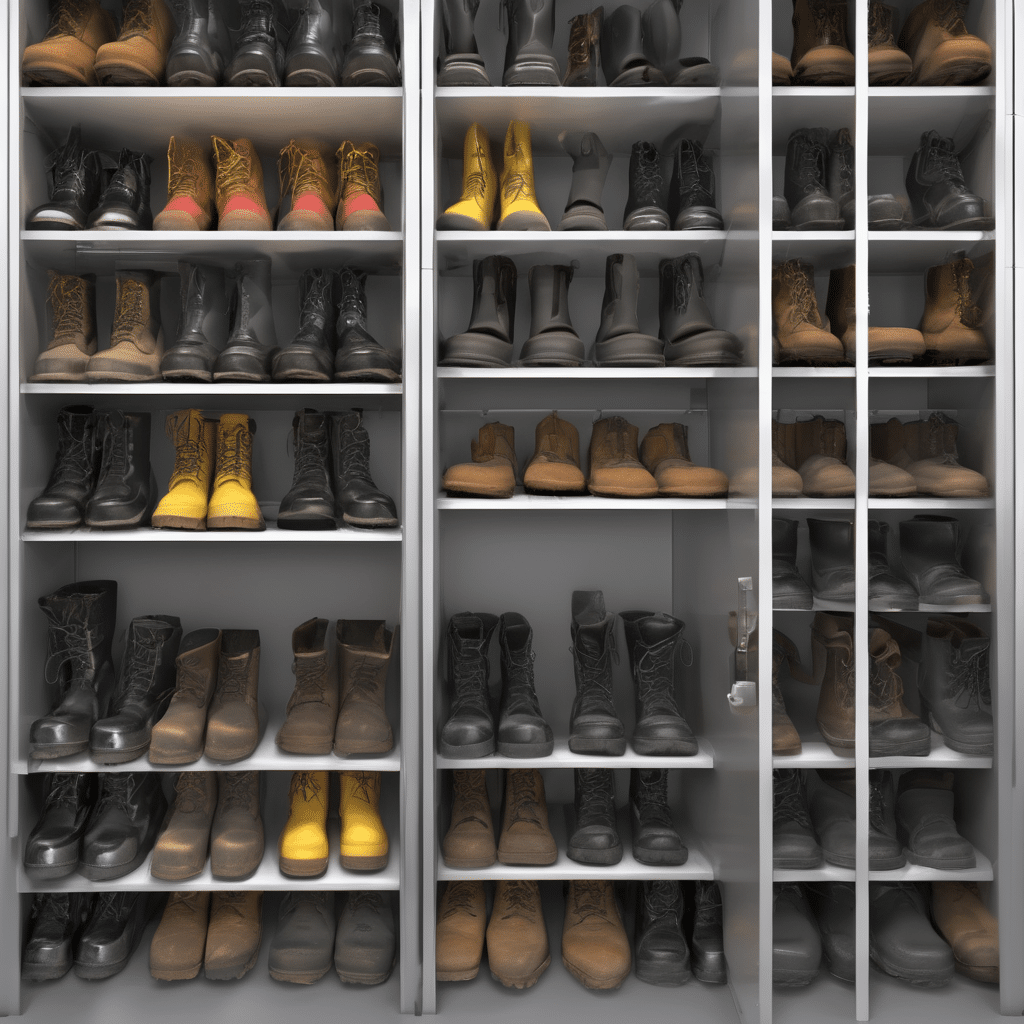
When it comes to selecting the ideal work boots, balancing safety and comfort is crucial.
Understanding Safety Standards
Find safety footwear suppliers by location
Browse by city
·
Browse all states
Prioritizing safety is the primary concern for any work environment.
You can also compare suppliers in Miami and Fresno. For deeper pages, review listings like 5 Points Men's Clothing and Acm & Sons Corp. Or use the cities index and states directory.
There are specific safety standards that work boots must meet to ensure adequate protection.
The most recognized standard in the U.S. is the ASTM International standard.
This standard categorizes boots based on various features such as impact resistance, compression resistance, and electrical hazard protection.
Understanding these standards helps you choose the right category of boots for your particular work needs.
The Importance of Material and Construction
Useful supplier pages to compare next
Compare suppliers in San Antonio and Bakersfield if you want more local options. You can also jump into listings such as 5 Points Men's Clothing and Acm & Sons Corp. For wider navigation, use the city index or the state directory.
The material and construction of work boots play a vital role in their overall performance.
Leather is a popular choice due to its durability and comfort.
It's crucial to ensure that the leather is water-resistant if you work in a wet environment.
In addition, work boots often have reinforcement in critical areas like the toe and heel.
- Steel toes: Offer maximum protection and are ideal for heavy-duty environments.
- Composite toes: Lighter than steel and do not conduct electricity, perfect for those working near electrical hazards.
- Aluminum toes: Provide protection without the weight of steel, offering a balance between steel and composite.
Each of these materials has specific advantages depending on the work conditions.
Choosing the Right Fit
While safety is crucial, ensuring a comfortable fit is equally important to prevent fatigue and injury.
When trying on work boots, pay attention to the following:
- Sizing: Ensure that your boots fit snugly without being too tight; there should be room to wiggle your toes.
- Width: Consider the width as well as the length; some boots offer wide or narrow options.
- Arch support: Proper arch support prevents foot pain and reduces impact when walking.
Remember that trying boots with the same kind of socks you plan to wear on the job is important for an accurate fit.
Features that Enhance Comfort
Comfort can significantly affect your performance and mood throughout the day.
Cushioning and support are two critical elements that enhance comfort.
Look for boots with shock-absorbing midsoles and padded insoles.
A reliable boot should also offer moisture-wicking liners to keep your feet dry and comfortable.
Ventilation and breathability are key features to look for, especially if you work in hot environments.
Breaking in Your Work Boots
Even the most comfortable boots require a break-in period.
This process helps the boots mold to your feet and increases comfort.
Start by wearing them for short periods at home before taking them to your job site.
Gradually increase the time you spend in them until they fit comfortably.
Remember that properly broken-in boots significantly reduce the chance of blisters and discomfort.
Maintaining Your Work Boots
To ensure longevity and effectiveness, proper maintenance is key.
Clean your boots regularly to remove dirt and debris that can wear down the material.
Condition them to keep the leather supple and resistant to the elements.
Ensure your boots are waterproof if they aren’t inherently water-resistant.
Lastly, inspect boots frequently for signs of wear and tear, replacing them before they compromise safety and comfort.
Real-Life Example: The Impact of Incorrect Boots
Consider John, who works in construction.
At first, he opted for boots based solely on safety, neglecting the aspect of comfort.
While his feet were protected, the improper fit caused him considerable discomfort.
The long hours standing and walking led to chronic foot pain, affecting his overall work performance.
Realizing his mistake, John researched and invested in a new pair, giving equal attention to both safety and comfort.
He noticed an immediate improvement, with less fatigue and pain, greatly enhancing his productivity and morale.
This example underscores the importance of striking the right balance between protection and comfort.
The right choice not only safeguards you but also fosters a healthier work environment.
Common Questions About Work Boots
Are metal-free work boots safe?
Yes, metal-free boots can be safe.
Their composite materials still provide ample protection against impact and compression.
What are the best brands for work boots?
Some popular brands include Timberland PRO, Caterpillar, and KEEN Utility.
These brands offer a variety of styles focusing on safety and comfort.
How often should work boots be replaced?
This depends on the work environment and maintenance.
However, replacing boots every 6-12 months is generally recommended.
Inspect them regularly for wear that might compromise their integrity.
In summary, finding the right work boots involves more than just considering safety.
Ensuring they fit well and include comfort-enhancing features can make a significant difference in your daily work life.
By following the guidelines outlined above, you'll be well-equipped to select boots that provide both protection and comfort, boosting your productivity and well-being.
Compare real safety footwear suppliers next
Browse real businesses by city, state and individual listing.
Start with listings such as 5 Points Men's Clothing, Acm & Sons Corp and Alsco Uniforms.
Leave a Reply