Choosing the right workwear for extreme heat conditions can make all the difference in ensuring comfort and safety in the workplace. This is not just about staying cool; it's about maintaining performance and preventing heat-related illnesses.
Understand Your Environment
Find PPE suppliers by location
Browse by city
·
Browse all states
Before selecting workwear, it's critical to understand the specific conditions you'll face.
Start with PPE suppliers and Hi-Vis workwear if you want faster directory pages tied to this topic. You can also compare suppliers in Tampa and Los Angeles. For deeper pages, review listings like 5 Points Men's Clothing and Acm & Sons Corp. Or use the cities index and states directory.
Heat levels can vary significantly between environments, influencing your choice.
The Impact of Direct Sunlight
Direct sunlight exposure can be a primary factor in heat increases.
If your workplace involves outdoor tasks, UV protection is paramount.
Clothing with UV protection can mitigate the risks of sunburns and skin damage.
Indoor Heat Factors
Even indoors, factors like poor ventilation and machinery can create hot conditions.
In these cases, you'll need breathable fabrics that enhance air circulation.
Examples of these environments include manufacturing plants and commercial kitchens.
Material Matters
Useful supplier pages to compare next
Open searches such as PPE suppliers and Hi-Vis workwear to get straight into local pages. Compare suppliers in Riverside and El Paso if you want more local options. You can also jump into listings such as 5 Points Men's Clothing and Acm & Sons Corp. For wider navigation, use the city index or the state directory.
The choice of material is crucial when selecting workwear for high temperatures.
Natural fibers like cotton and linen offer breathability, helping to keep you cool.
However, advances in fabric technology are providing even more options.
Synthetic Blends
Synthetic blends are engineered for performance under extreme heat.
These fabrics wick away moisture, promoting faster evaporation and cooling.
Brands are increasingly offering synthetic workwear that balances comfort with utility.
Moisture-Absorption
When heat is combined with humidity, keeping dry becomes more challenging.
Moisture-wicking materials rapidly transfer sweat from the skin to the outer fabric.
This quick-drying feature can significantly improve comfort levels throughout the day.
Design and Functionality
Beyond the fabric, the design of workwear also plays a vital role in heat management.
Look for garments with mesh panels or vents, which enhance airflow.
Loose vs. Tight Fit
Loose-fitting clothes can improve circulation and reduce heat retention.
Nevertheless, if your work involves physical activity, a tailored fit might be more practical.
Color Choices
Color can affect how hot you feel.
Light colors reflect sunlight, keeping you cooler, whereas dark colors absorb heat.
In extremely hot environments, opt for whites or light pastels.
Practical Tips for Workwear Selection
In environments where heat is intense, following best practices for selecting workwear is essential.
- Choose breathable materials to manage heat efficiently.
- Incorporate layers wisely, opting for thin, removable layers as needed.
- Ensure proper fitting to balance comfort and mobility.
- Seek professional advice if unsure about appropriate workwear solutions.
Real-World Example
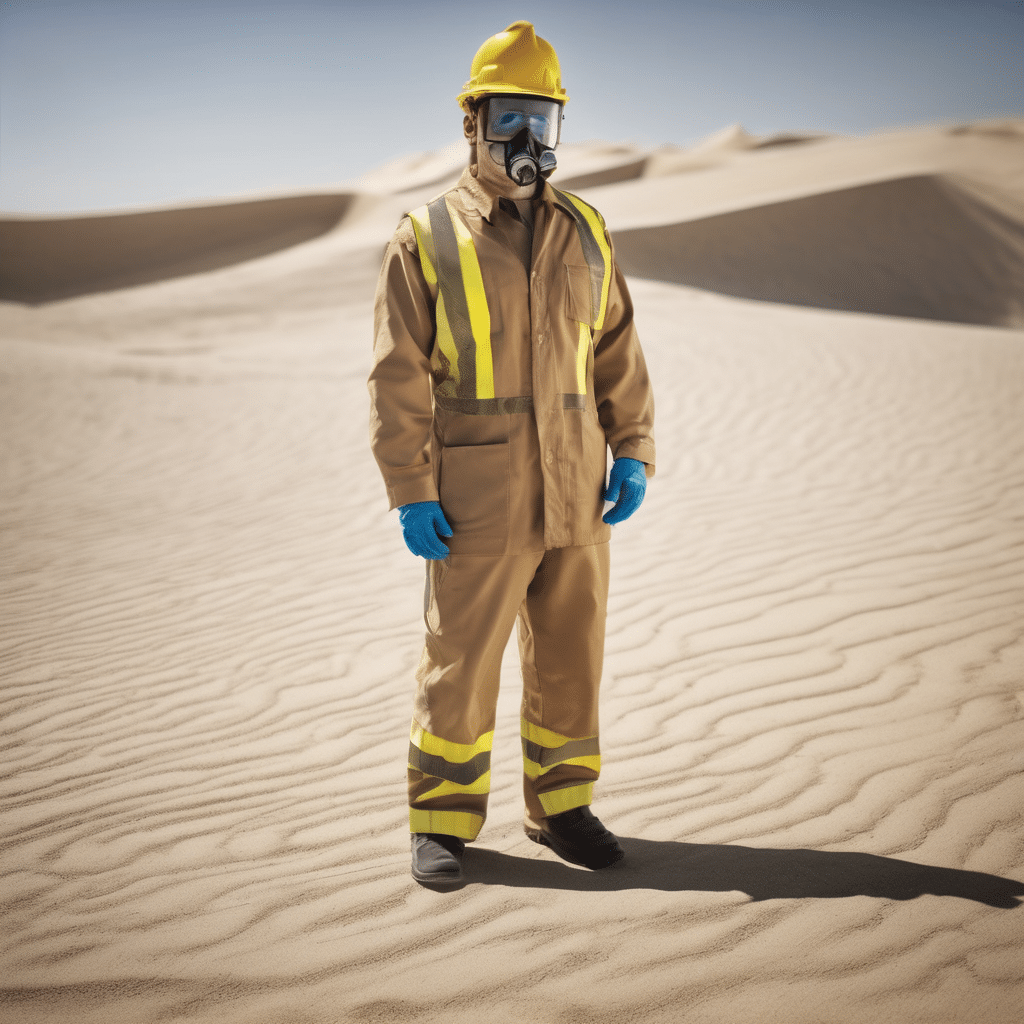
Imagine working in an open construction site in Arizona during a heatwave.
A worker equipped with moisture-wicking fabrics, a wide-brimmed hat, and a ventilated shirt will be far more prepared than one dressed in heavy, dark cotton.
This simple but effective choice can result in improved focus and reduced fatigue.
Insights from Industry Experts
Experts in occupational health emphasize the importance of appropriate attire.
According to guidelines, keeping the body cool helps maintain cognitive performance.
Investing in quality workwear improves employee satisfaction and productivity.
The Role of Technology
Innovative technologies in textile development play a growing role in addressing extreme heat.
For instance, NASA-inspired materials are being used to regulate temperature effectively.
These advancements provide workers with adaptable clothing options for fluctuating climates.
Frequently Asked Questions
This section addresses common concerns about workwear in hot conditions.
What are the signs my workwear is affecting my performance?
If you experience excessive sweating, skin irritation, or overheating, it’s time to reconsider your attire options.
Are there specific brands that excel in producing workwear for heat?
Several brands specialize in heat-resistant workwear, with unique fabrics and designs meant for high-temperature scenarios.
Can layering be effective in managing heat?
While it may seem counterintuitive, effective layering with the right materials can enhance heat management.
How often should one replace workwear for optimal performance?
It's advisable to replace workwear once it shows signs of wear, loses its effective properties, or every couple of years as per industry standards.
In summary, selecting the correct workwear for extreme heat conditions involves a multifaceted approach.
Understanding the environment, choosing appropriate materials, and considering design features are pivotal steps.
Ultimately, investing in high-quality workwear not only safeguards health but also enhances performance.
With evolving technologies, it's now easier than ever to find solutions that keep you comfortable and efficient, even in the harshest of environments.
Compare real PPE suppliers next
Browse real businesses by city, state and individual listing.
Start with listings such as 5 Points Men's Clothing, Acm & Sons Corp and Alsco Uniforms.
Leave a Reply