
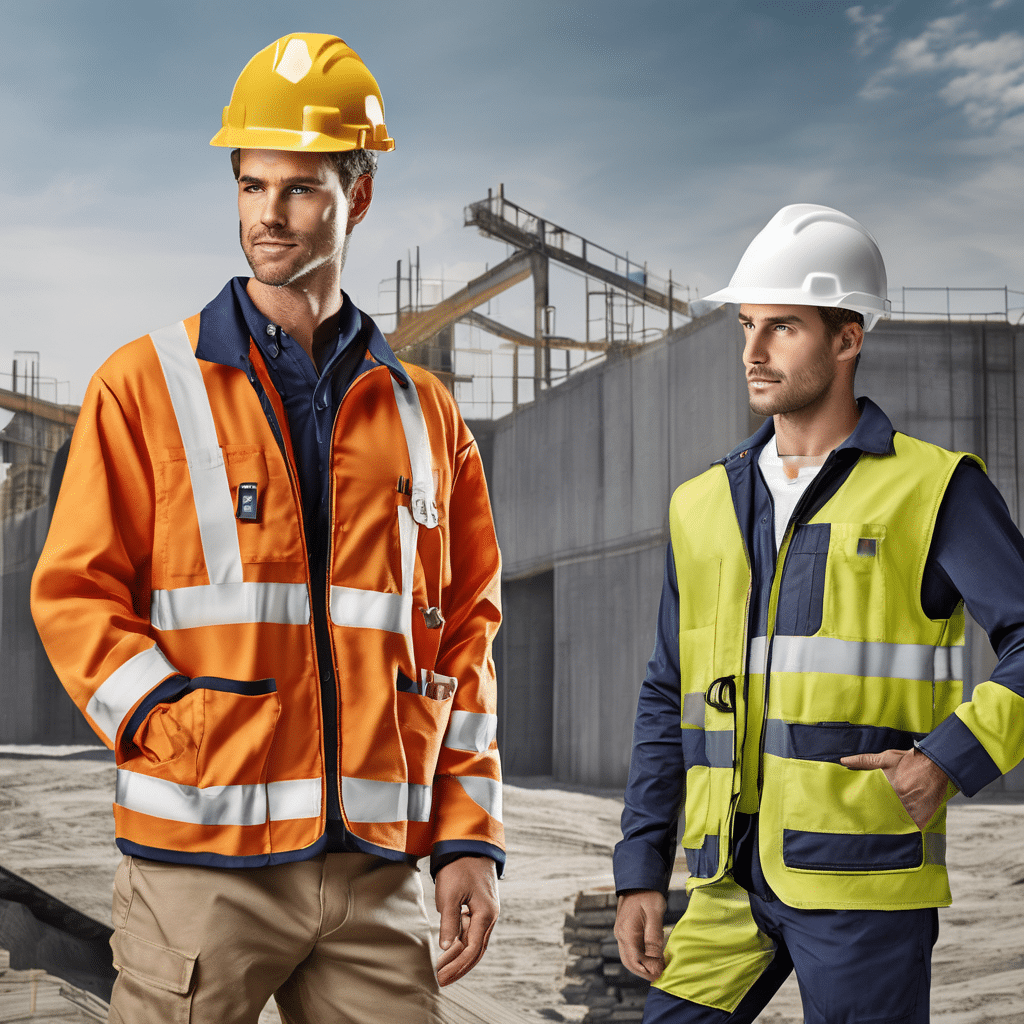
In the world of workwear, choosing the right fabric can make a significant difference, especially in hot climates.
Understanding the Importance of Breathability
Find uniform suppliers by location
Browse by city
·
Browse all states
Breathability is a key factor when selecting workwear for warmer climates.
You can also compare suppliers in Tampa and Los Angeles. For deeper pages, review listings like 5 Points Men's Clothing and Acm & Sons Corp. Or use the cities index and states directory.
This quality helps in preventing excessive sweating and ensures comfort during long working hours.
Clothing that traps heat can lead to discomfort, decreased productivity, and even health issues.
Imagine a situation where workers wear heavy, non-breathable uniforms.
Not only does it affect their efficiency, but it also poses a risk of heat-related illnesses.
Therefore, opting for fabrics that allow for better air circulation is essential.
Top Fabrics for Hot Climates
Useful supplier pages to compare next
Compare suppliers in San Diego and Orlando if you want more local options. You can also jump into listings such as 5 Points Men's Clothing and Acm & Sons Corp. For wider navigation, use the city index or the state directory.
Several types of fabrics are recommended for hot weather due to their breathability and comfort.
Cotton
Cotton is often the go-to fabric for hot climates due to its natural fiber structure.
It is soft, lightweight, and allows air to circulate easily.
Moreover, cotton is highly absorbent, which helps in drawing moisture away from the skin.
- Widely Available
- Budget-Friendly
- Naturally Breathable
However, it’s important to note that too much moisture absorption can lead to saturation.
This can sometimes make the fabric feel heavy and uncomfortable.
Linen
Linen is another excellent fabric choice for hot environments.
Similar to cotton, linen is a natural fiber known for its cooling properties.
One of the most distinct features of linen is its ability to quickly dissipate heat.
This facilitates better body temperature regulation.
- High Moisture Absorption
- Quick Drying
- Natural Heat Disperse
Linen, however, tends to wrinkle more easily, which can impact the visual appeal of uniforms.
Viscose Rayon
Viscose rayon is a man-made fabric that mimics the properties of natural fibers like cotton and linen.
Its lightweight nature provides comfort and breathability.
Since it is manufactured, it can be engineered to achieve the desired thickness and texture.
This makes it a versatile option for various workwear designs.
- Customizable
- Soft Texture
- Affordable
That said, viscose rayon is sometimes less durable than its natural counterparts.
Additional care and maintenance may be necessary to ensure its longevity.
The Role of Fabric Blends
Fabric blends can offer the best of both worlds by combining natural and synthetic fibers.
For instance, a blend of cotton and polyester can enhance durability and reduce wrinkling while maintaining comfort.
Many modern workwear improvements rely on these blends to provide comprehensive solutions for hot climates.
Some popular blends include:
- Poly-cotton: Combines comfort with durability and wrinkle resistance.
- Viscose-linen: Offers a lightweight feel with added strength.
- Rayon-spandex: Provides stretch and comfort for dynamic work environments.
Real-World Impact of Fabric Choices
In an interesting case, a construction company in Texas decided to revamp its entire uniform lineup for summer.
The management noticed that workers often complained about unbearable heat and discomfort.
They switched from heavy polyester uniforms to cotton-linen blends.
The result was noticeable: workers reported feeling more comfortable and experiencing less fatigue.
This change not only improved worker satisfaction but significantly reduced employee sick days.
Productivity saw an upswing, and the company even attracted positive attention from industry peers.
This example highlights how thoughtful wardrobe adaptations can have tangible benefits in work environments.
Frequently Asked Questions
Why is breathability crucial for workwear in hot climates?
Breathability allows air to circulate through the fabric, reducing heat buildup and moisture retention.
This enhances comfort, reduces fatigue, and lowers the risk of heat-related illnesses.
What should I prioritize when selecting a workwear fabric for hot climates?
Prioritize lightweight materials that provide good air circulation and moisture-wicking properties.
Fabrics like cotton, linen, and rayon blends are popular for these reasons.
How do fabric blends improve workwear?
Fabric blends combine the strengths of different materials.
This results in workwear that offers enhanced comfort, durability, and aesthetic appeal.
Blends also optimize the advantages while minimizing the drawbacks of individual fibers.
In summary, the choice of fabric plays a pivotal role in determining the comfort and function of workwear in hot climates.
By selecting breathable and lightweight materials, one can ensure greater satisfaction and efficiency in their professional attire.
Opening the door to strategic fabric selection could very well be the key to unlocking improved performance and well-being for workers across various industries.
Compare real uniform suppliers next
Browse real businesses by city, state and individual listing.
Start with listings such as 5 Points Men's Clothing, Acm & Sons Corp and Alsco Uniforms.
Leave a Reply