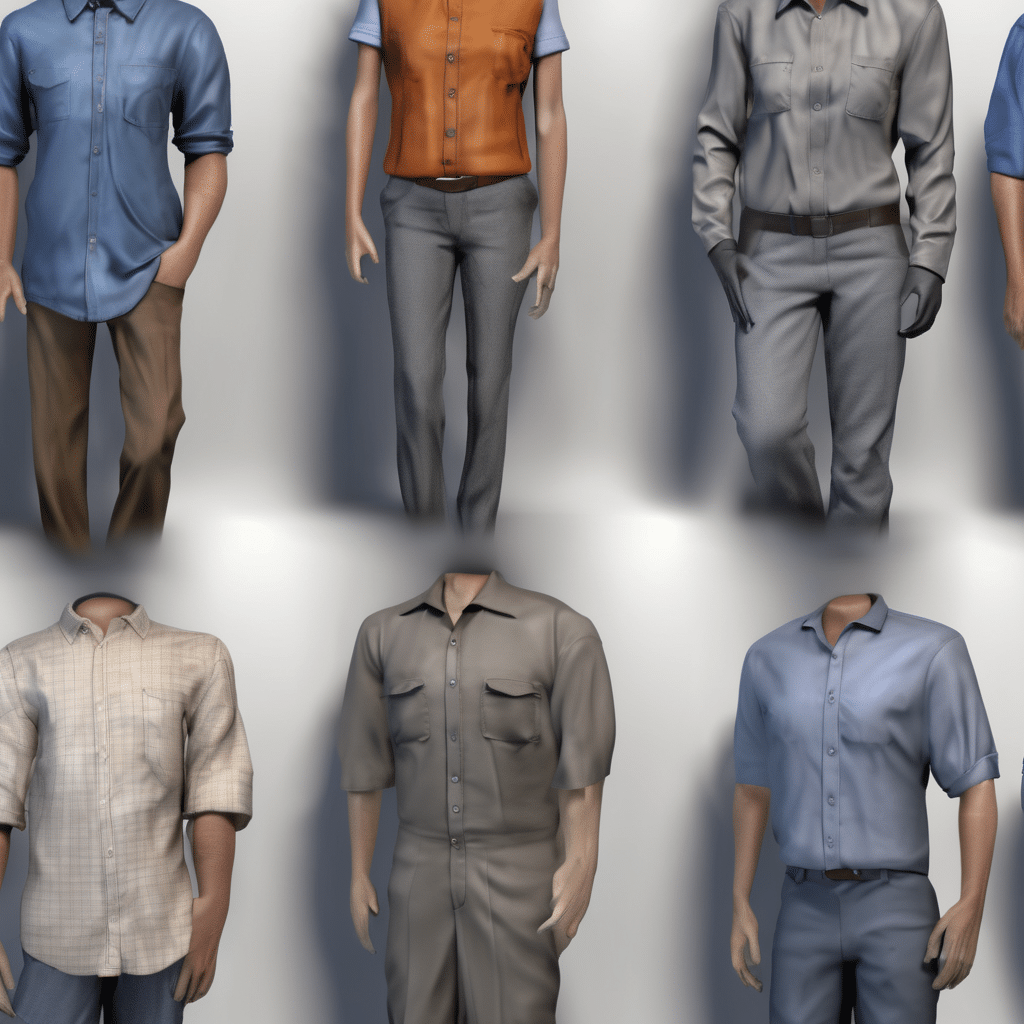
Understanding the lifespan of workwear in different industries is crucial for businesses aiming to optimize costs and ensure safety. Each industry poses unique challenges to clothing, affecting how long these garments last. Let's delve into the specifics of how various industries can influence the longevity of workwear.
The Importance of Workwear Longevity
Find uniform suppliers by location
Browse by city
·
Browse all states
Workwear is not just about aesthetics or comfort; it plays a significant role in workplace safety and professional image. The lifespan of workwear can vary significantly based on its usage, the industry, and maintenance practices.
You can also compare suppliers in Tampa and Los Angeles. For deeper pages, review listings like 5 Points Men's Clothing and Acm & Sons Corp. Or use the cities index and states directory.
Factors such as the frequency of use, the working conditions, and the fabric quality all impact how long these garments remain functional.
Industries with Rapid Wear and Tear
Useful supplier pages to compare next
Compare suppliers in San Diego and Orlando if you want more local options. You can also jump into listings such as 5 Points Men's Clothing and Acm & Sons Corp. For wider navigation, use the city index or the state directory.
Certain industries are particularly harsh on clothing due to the nature of their work environments. Here, workwear undergoes rapid wear and tear:
Construction Industry
The construction industry is perhaps the most demanding in terms of workwear durability. Workers are exposed to harsh outdoor environments and physical wear and tear.
- Heavy Duty Tasks: Tasks often involve movement against rough surfaces, leading to frequent fabric abrasion.
- Exposure to Elements: Outdoor work exposes clothing to sunlight, rain, and dust, which can degrade materials quickly.
- Protective Features: Clothing must maintain protective features such as tear resistance and high visibility, further adding stress on the materials.
It’s common for construction workers to need new workwear several times a year.
Anecdote: The Construction Worker’s Challenge
Imagine a construction worker, John, who needs to replace his high-visibility jackets every three months. John's experience highlights the strain his daily routine puts on his work attire.
In one instance, he shares how just after three months, his jacket lost its reflective strip's luster due to continuous exposure to sun and dust. Such rapid degradation underscores why quality and maintenance are paramount in construction workwear.
Manufacturing and Industrial Environments
Manufacturing settings can also see significant wear on work uniforms due to exposure to substances and operational hazards. Depending on the specific sector, here's how uniforms are impacted:
- Chemical Exposures: Garments may be exposed to chemicals causing stains or fabric degradation.
- Heavy Machinery: Interaction with machinery subjects clothing to potential tears and snags.
- Heat and Cold: Working in extreme temperatures can weaken fabrics over time.
In manufacturing, workwear often needs replacement or serious maintenance approximately every six months to a year, depending on use and care.
Industries with Mid to Long-Term Workwear Use
While some sectors see rapid workwear turnover, others can expect a longer lifespan from their uniforms. Here's a closer look:
Retail and Hospitality
In retail and hospitality, uniforms often endure less physical strain compared to industries like construction.
However, they are susceptible to frequent laundering, which can cause colors to fade over time.
Uniforms in these settings can last up to one to two years with proper care, given they are generally less exposed to hazardous materials and extreme conditions.
Corporate and Office Environments
Office workwear typically experiences the least wear and tear.
Suits, dresses, and business casual attire endure primarily through dry cleaning and minimal manual labor.
Such apparel can last significantly longer, often needing replacement due to style changes rather than fabric wear; some can even stay in rotations for several years.
Key Maintenance Tips for Enhancing Workwear Lifespan
Maintaining workwear properly can greatly enhance its lifespan, regardless of the industry. Consider these tips:
- Regular Inspections: Routinely check for wear and tear to address issues immediately.
- Quality Cleaning: Follow manufacturer cleaning guidelines to prevent unnecessary fabric stress.
- Proper Storage: Store workwear in a cool, dry place to avoid environmental degradation.
Summary of Workwear Lifetimes Across Industries
Here's a quick overview of workwear lifespans across some major industries:
- Construction: 3-6 months
- Manufacturing: 6-12 months
- Retail: 1-2 years
- Office: Several years
In all scenarios, specific conditions and care practices can drastically affect these timelines.
Investing in quality workwear not only ensures safety and professionalism but also reduces long-term costs.
In summary, understanding how long workwear lasts in different industries helps businesses and employees manage costs better and ensure safety and efficiency. Proper maintenance and choosing the right materials are key factors in extending the life of work uniforms. Remember, while the upfront cost of quality workwear might be higher, the long-term savings and benefits make it a worthwhile investment. As you plan your uniform purchases, keep these factors in mind to make informed choices that benefit both your employees and your business.
Compare real uniform suppliers next
Browse real businesses by city, state and individual listing.
Start with listings such as 5 Points Men's Clothing, Acm & Sons Corp and Alsco Uniforms.
Leave a Reply